Horseradish Oil
Auto-generated content. This description was generated automatically and is pending editorial review. Inaccuracies are possible. Found a mistake? Contact us.
What it is
Horseradish oil is a volatile oil extracted from the root of the horseradish plant (Armoracia rusticana). It contains compounds like allyl isothiocyanate, which give horseradish its characteristic pungent flavor and aroma. The oil is typically produced through steam distillation or solvent extraction.
Why it's used
Manufacturers add horseradish oil to provide a sharp, spicy flavor to foods. It is commonly found in condiments like horseradish sauce, mustard, and salad dressings, as well as in seasoning mixes, marinades, and some cheese products.
Health notes
Horseradish oil is generally recognized as safe (GRAS) by the FDA for use as a flavoring agent. The Joint FAO/WHO Expert Committee on Food Additives (JECFA) has evaluated horseradish and its extracts, but did not set a numeric acceptable daily intake (ADI). While horseradish has been studied for potential health benefits, such as antimicrobial properties, these are generally associated with whole horseradish or its extracts, not specifically the isolated oil at typical food ingredient levels. More research is needed to fully understand the effects of concentrated horseradish oil.
Allergen info
Horseradish oil is not derived from any of the 9 FDA major allergens. It does not contain gluten.
Products containing Horseradish Oil
Compare products →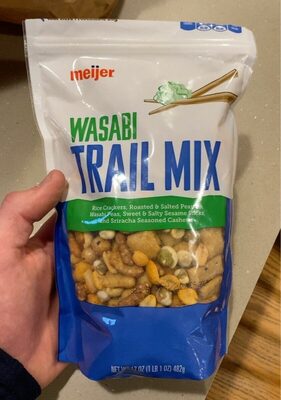 Meijer, Inc.
Wasabi Rice Crackers, Roasted & Salted Peanuts, Wasabi Peas, Sweet & Salty Sesame Sticks, And Sriracha Seasoned Cashews Trail Mix, Wasabi
500kcal
16.7Protein
30Fat
46.7Carbs
Meijer, Inc.
Wasabi Rice Crackers, Roasted & Salted Peanuts, Wasabi Peas, Sweet & Salty Sesame Sticks, And Sriracha Seasoned Cashews Trail Mix, Wasabi
500kcal
16.7Protein
30Fat
46.7Carbs