Hydrogenated Tallow With Preservatives
Auto-generated content. This description was generated automatically and is pending editorial review. Inaccuracies are possible. Found a mistake? Contact us.
What it is
Hydrogenated tallow is animal fat, typically from beef or sheep, that has been processed to add hydrogen atoms. This process makes the fat more solid and stable at room temperature. The ingredient also includes unspecified preservatives to help prevent spoilage.
Why it's used
Manufacturers use hydrogenated tallow to improve the texture and shelf life of food products. It provides a solid fat structure in baked goods, shortenings, and frostings, contributing to a creamy mouthfeel and stability.
Health notes
Tallow is a traditional food ingredient. The FDA generally recognizes tallow as safe (GRAS). The hydrogenation process can create trans fats if done partially, but fully hydrogenated fats, like hydrogenated tallow, contain very little to no artificial trans fat. The FDA revoked the GRAS status for partially hydrogenated oils (PHOs) in 2018 due to concerns about artificial trans fat, but this action does not apply to fully hydrogenated fats. JECFA (the Joint FAO/WHO Expert Committee on Food Additives) evaluates specific food additives, but typically does not set an acceptable daily intake (ADI) for basic fats like tallow. The specific preservatives in this ingredient are not identified, so their individual regulatory status and health implications are not addressed here.
Allergen info
Not a major allergen.
Products containing Hydrogenated Tallow With Preservatives
Compare products →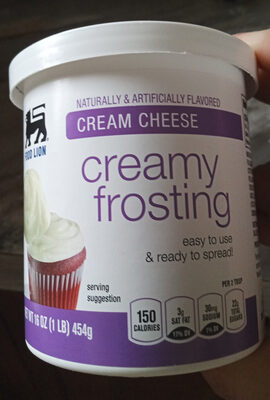 Food Town Stores Inc.
Food Lion, Creamy Frosting, Cream Cheese, Cream Cheese
424kcal
0Protein
18.2Fat
66.7Carbs
Save Mart Supermarkets Inc.
Creamy White Vanilla Frosting
424kcal
0Protein
18.2Fat
66.7Carbs
Save Mart Supermarkets Inc.
Creamy Milk Chocolate Frosting
412kcal
0Protein
17.6Fat
61.8Carbs
Save Mart Supermarkets Inc.
Creamy Frosting, Cream Cheese
424kcal
0Protein
18.2Fat
66.7Carbs
The Moran Group Incorporated
Rich & Creamy Frosting Holiday Green
424kcal
0Protein
18.2Fat
66.7Carbs
Gartner Studios, Inc.
Duff Goldman, Creamy Frosting
424kcal
0Protein
18.2Fat
66.7Carbs
Food Town Stores Inc.
Food Lion, Creamy Frosting, Cream Cheese, Cream Cheese
424kcal
0Protein
18.2Fat
66.7Carbs
Save Mart Supermarkets Inc.
Creamy White Vanilla Frosting
424kcal
0Protein
18.2Fat
66.7Carbs
Save Mart Supermarkets Inc.
Creamy Milk Chocolate Frosting
412kcal
0Protein
17.6Fat
61.8Carbs
Save Mart Supermarkets Inc.
Creamy Frosting, Cream Cheese
424kcal
0Protein
18.2Fat
66.7Carbs
The Moran Group Incorporated
Rich & Creamy Frosting Holiday Green
424kcal
0Protein
18.2Fat
66.7Carbs
Gartner Studios, Inc.
Duff Goldman, Creamy Frosting
424kcal
0Protein
18.2Fat
66.7Carbs