Polysorbate 60
What is Polysorbate 60?
Polysorbate 60 is a synthetic compound made from sorbitol, stearic acid, and ethylene oxide. It is part of a family of ingredients called polysorbates, which are used to help mix ingredients that normally separate.
Is Polysorbate 60 a major allergen?
Polysorbate 60 is not considered one of the nine major food allergens identified by the FDA.
What is Polysorbate 60 used for?
Manufacturers add polysorbate 60 to foods as an emulsifier, which helps oil and water-based ingredients blend together smoothly and prevents them from separating.
Is Polysorbate 60 safe?
In the United States, polysorbate 60 is an FDA-approved food additive.
Why it's used
Manufacturers add polysorbate 60 to foods as an emulsifier, which helps oil and water-based ingredients blend together smoothly and prevents them from separating. It also helps improve the texture and volume of baked goods and keeps icings and toppings stable. It is commonly found in cookies, cakes, snack cakes, and dessert toppings.
Health notes
In the United States, polysorbate 60 is an FDA-approved food additive. Both the Joint FAO/WHO Expert Committee on Food Additives (JECFA) and the European Food Safety Authority (EFSA) have evaluated polysorbate 60 and set an acceptable daily intake. It is generally considered safe for consumption at the levels typically found in food. Some animal studies using very high doses have explored its effects on gut bacteria, but these findings are not considered relevant to the amounts consumed in a typical human diet.
Allergen info
Polysorbate 60 is not considered one of the nine major food allergens identified by the FDA.
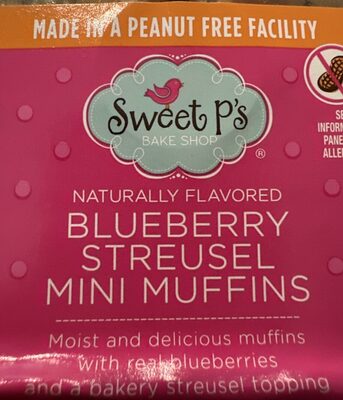
Foods that contain Polysorbate 60
Compare products →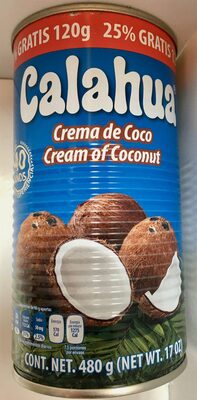
Learn more
Auto-generated content. This description was generated automatically and is pending editorial review. Inaccuracies are possible. Found a mistake? Contact us.