Hydrolyzed Pork And Chicken Protein
What is Hydrolyzed Pork And Chicken Protein?
This ingredient is derived from pork and chicken that have undergone hydrolysis. Hydrolysis is a process where water is used to break down proteins into smaller components called peptides and amino acids.
Is Hydrolyzed Pork And Chicken Protein vegan?
No. Hydrolyzed Pork And Chicken Protein is animal-derived, so it is not vegan.
Is Hydrolyzed Pork And Chicken Protein gluten-free?
It does not contain gluten.
Is Hydrolyzed Pork And Chicken Protein a major allergen?
This ingredient is derived from pork and chicken, which are not among the FDA's 9 major allergens.
What is Hydrolyzed Pork And Chicken Protein used for?
Manufacturers add hydrolyzed pork and chicken protein to foods to enhance or impart a savory, meaty flavor, often described as umami.
Is Hydrolyzed Pork And Chicken Protein safe?
Hydrolyzed pork and chicken protein is generally recognized as safe (GRAS) by the FDA for use in food.
Why it's used
Manufacturers add hydrolyzed pork and chicken protein to foods to enhance or impart a savory, meaty flavor, often described as umami. It is commonly found in sauces, dressings, soups, and snack seasonings where a rich flavor profile is desired.
Health notes
Hydrolyzed pork and chicken protein is generally recognized as safe (GRAS) by the FDA for use in food. Regulatory bodies like JECFA and EFSA have evaluated similar protein hydrolysates. There is no widespread scientific controversy regarding its consumption at typical levels found in food.
Allergen info
This ingredient is derived from pork and chicken, which are not among the FDA's 9 major allergens. It does not contain gluten.
Foods that contain Hydrolyzed Pork And Chicken Protein
Compare products →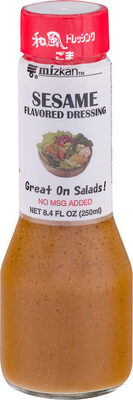 Mizkan America, Inc.
Sesame Flavored Dressing, Sesame
High in sodium — 20% DV per serving
167kcal
3.3Protein
10Fat
13.3Carbs
Mizkan America, Inc.
Sesame Flavored Dressing, Sesame
High in sodium — 20% DV per serving
167kcal
3.3Protein
10Fat
13.3Carbs
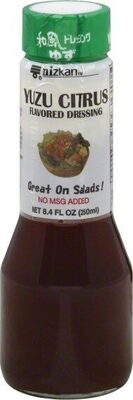 Mizkan America, Inc.
Yuzu Citrus Flavored Dressing
High in sodium — 22% DV per serving
200kcal
0Protein
16.7Fat
10Carbs
Mizkan America, Inc.
Yuzu Citrus Flavored Dressing
High in sodium — 22% DV per serving
200kcal
0Protein
16.7Fat
10Carbs
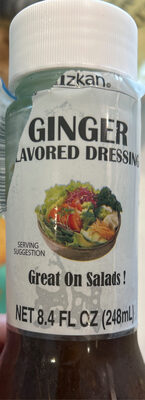 Mizkan America, Inc.
Ginger Flavored Dressing, Ginger
High in sodium — 22% DV per serving
167kcal
3.3Protein
10Fat
16.7Carbs
Mizkan America, Inc.
Mustard & Soy Sauce Flavored Dressing
High in sodium — 22% DV per serving
400kcal
3.3Protein
26.7Fat
33.3Carbs
Mizkan America, Inc.
Ginger Flavored Dressing, Ginger
High in sodium — 22% DV per serving
167kcal
3.3Protein
10Fat
16.7Carbs
Mizkan America, Inc.
Mustard & Soy Sauce Flavored Dressing
High in sodium — 22% DV per serving
400kcal
3.3Protein
26.7Fat
33.3Carbs
Learn more
Auto-generated content. This description was generated automatically and is pending editorial review. Inaccuracies are possible. Found a mistake? Contact us.