Including Habanero Pepper
Auto-generated content. This description was generated automatically and is pending editorial review. Inaccuracies are possible. Found a mistake? Contact us.
What it is
The habanero pepper (Capsicum chinense) is a chili pepper variety known for its intense heat and fruity, floral flavor. Native to the Amazon, it is now widely cultivated in tropical and subtropical regions, particularly Mexico and Central America. The peppers are typically harvested when ripe and can be used fresh, dried, or powdered.
Why it's used
Habanero pepper is primarily used as a flavoring agent to add significant heat and a distinct fruity taste to foods. It is commonly found in hot sauces, marinades, spice blends, and as a seasoning for snacks like chips and pretzels. Its intense flavor profile makes it a popular choice for consumers seeking spicy food experiences.
Health notes
Habanero peppers are generally recognized as safe (GRAS) by the FDA when used as a food ingredient. The primary active compound, capsaicin, is responsible for the heat and has been studied for various potential health effects, such as pain relief and metabolism. However, at high concentrations, capsaicin can cause digestive irritation. Regulatory bodies like JECFA and EFSA have evaluated capsaicin, but no specific numeric limits are typically set for its use as a food flavoring. Evidence regarding long-term health benefits or risks at typical dietary intake levels is still being researched.
Allergen info
Habanero pepper is not one of the nine FDA major allergens. It does not contain gluten.
Products containing Including Habanero Pepper
Compare products →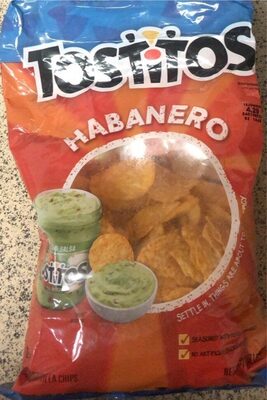 Frito-Lay Company
Habanero Bite Size Rounds Tortilla Chips, Habanero
536kcal
7.1Protein
28.6Fat
64.3Carbs
Frito-Lay Company
Habanero Bite Size Rounds Tortilla Chips, Habanero
536kcal
7.1Protein
28.6Fat
64.3Carbs