Including Mustard And Celery
Auto-generated content. This description was generated automatically and is pending editorial review. Inaccuracies are possible. Found a mistake? Contact us.
What it is
Mustard is a condiment made from the seeds of a mustard plant. The seeds are ground and mixed with water, vinegar, and spices to create a paste or sauce. Celery is a marshland plant that is widely cultivated as a vegetable. Its long, fibrous stalk is the most commonly eaten part, but its leaves and seeds are also used in cooking.
Why it's used
Mustard and celery are used to add flavor to a wide variety of foods. Mustard provides a pungent, spicy taste, while celery offers a fresh, slightly bitter, and savory note. They are commonly found in salad dressings, sauces, marinades, spice blends, and as a seasoning for snacks like chips and pretzels.
Health notes
Mustard and celery are generally recognized as safe (GRAS) by the FDA when used as food ingredients. They are common food items with no significant health concerns associated with their typical consumption. International bodies like EFSA have evaluated various food ingredients, but specific evaluations for combined mustard and celery as a single ingredient are not widely documented. Evidence does not suggest adverse health effects from consuming these ingredients in the amounts typically found in food.
Allergen info
Mustard is considered a major allergen by the FDA. Celery is not one of the nine major allergens, but it can be a trigger for some individuals with pollen allergies.
Products containing Including Mustard And Celery
Compare products →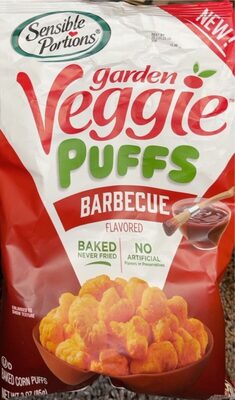 The Hain Celestial Group, Inc.
Barbecue Baked Corn Puffs, Barbecue
464kcal
7.1Protein
21.4Fat
64.3Carbs
The Hain Celestial Group, Inc.
Barbecue Baked Corn Puffs, Barbecue
464kcal
7.1Protein
21.4Fat
64.3Carbs
The Hain Celestial Group, Inc.
Barbecue Baked Corn Puffs, Barbecue
464kcal
7.1Protein
21.4Fat
64.3Carbs
The Hain Celestial Group, Inc.
Barbecue Baked Corn Puffs, Barbecue
464kcal
7.1Protein
21.4Fat
64.3Carbs
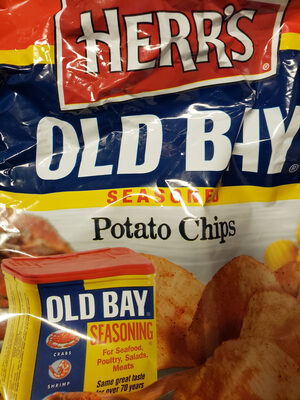 Herr Foods Inc.
Old Bay Seasoned Potato Chips
High in sodium — 20% DV per serving
536kcal
7.1Protein
32.1Fat
53.6Carbs
Conagra Brands, Inc
Armour Burbon Barbecue Vienna Sausage, 7g Protein Per Serving, 4.6 oz Can
High in sodium — 33% DV per serving
—kcal
9.3Protein
13.3Fat
8Carbs
Herr Foods Inc.
Old Bay Seasoned Potato Chips
High in sodium — 20% DV per serving
536kcal
7.1Protein
32.1Fat
53.6Carbs
Conagra Brands, Inc
Armour Burbon Barbecue Vienna Sausage, 7g Protein Per Serving, 4.6 oz Can
High in sodium — 33% DV per serving
—kcal
9.3Protein
13.3Fat
8Carbs