Italian Pork Leg
Auto-generated content. This description was generated automatically and is pending editorial review. Inaccuracies are possible. Found a mistake? Contact us.
What it is
Italian Pork Leg refers to cured ham from Italy, typically made from the hind leg of a pig. The curing process involves salting, seasoning, and aging the meat for extended periods, which preserves it and develops its distinct flavor and texture. Examples include Prosciutto di Parma and Prosciutto di San Daniele.
Why it's used
Cured Italian pork leg is primarily used as a ready-to-eat meat product. It is often sliced thinly and served as an appetizer, in sandwiches, or as a component in salads and pasta dishes. Its savory, salty flavor adds richness to various culinary preparations.
Health notes
Italian Pork Leg is a whole food and not an additive regulated by the FDA. As a processed meat, it is a source of protein, iron, and B vitamins. However, processed meats are also often high in sodium and can contain nitrates and nitrites, which have been associated with health concerns in some studies. The World Health Organization (WHO) has classified processed meat as a Group 1 carcinogen, meaning there is sufficient evidence that it causes cancer in humans, particularly colorectal cancer. Consuming processed meats in moderation is generally advised.
Allergen info
Italian Pork Leg is not derived from one of the nine FDA major allergens. It does not contain gluten.
Products containing Italian Pork Leg
Compare products →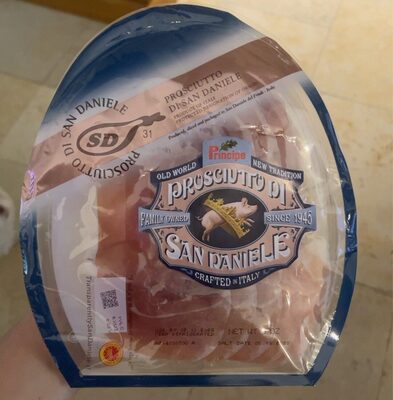 Bridgewell Resources LLC
Prosciutto Di San Daniele
250kcal
30Protein
20Fat
0Carbs
Bridgewell Resources LLC
Prosciutto Di Parma
High in sodium — 29% DV per serving
200kcal
26.7Protein
11.7Fat
0Carbs
Maestri D'Italia Inc
Prosciutto
High in sodium — 23% DV per serving
286kcal
28.6Protein
21.4Fat
0Carbs
Bridgewell Resources LLC
Prosciutto Di San Daniele
250kcal
30Protein
20Fat
0Carbs
Bridgewell Resources LLC
Prosciutto Di Parma
High in sodium — 29% DV per serving
200kcal
26.7Protein
11.7Fat
0Carbs
Maestri D'Italia Inc
Prosciutto
High in sodium — 23% DV per serving
286kcal
28.6Protein
21.4Fat
0Carbs
 New England Charcuterie
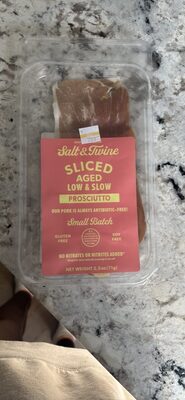
Sliced Aged Low & Slow Prosciutto
High in sodium — 30% DV per serving
High in saturated fat — 95% DV per serving
214kcal
25Protein
12.5Fat
0Carbs
New England Charcuterie
Sliced Aged Low & Slow Prosciutto
High in sodium — 30% DV per serving
High in saturated fat — 95% DV per serving
214kcal
25Protein
12.5Fat
0Carbs