Japanese Apricot
Auto-generated content. This description was generated automatically and is pending editorial review. Inaccuracies are possible. Found a mistake? Contact us.
What it is
Japanese apricot, also known as ume, is a fruit native to East Asia. It is typically pickled, dried, or made into jams and liqueurs. The fruit has a tart and astringent flavor.
Why it's used
Japanese apricot is used as a flavoring agent in various food products, particularly in Asian cuisine. It can be found in savory dishes like noodle soups and rice dishes, adding a unique sweet and sour taste.
Health notes
Japanese apricot is generally recognized as safe (GRAS) by the FDA for use as a food ingredient. It is not typically associated with significant health concerns when consumed in moderate amounts as part of a balanced diet. International bodies like JECFA have evaluated various apricot products, but specific evaluations for Japanese apricot in its processed forms may vary.
Allergen info
Japanese apricot is not one of the nine major allergens identified by the FDA. It does not contain gluten.
Products containing Japanese Apricot
Compare products →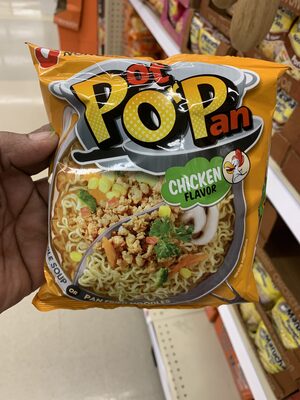 Nong Shim Co., Ltd.
Pot Porpan Noodle Soup, Chicken
High in sodium — 50% DV per serving
High in saturated fat — 40% DV per serving
436kcal
10.9Protein
14.6Fat
66.4Carbs
Nong Shim Co., Ltd.
Spicy Chicken Bowl Noodle Soup, Spicy Chicken
High in sodium — 66% DV per serving
High in saturated fat — 35% DV per serving
442kcal
9.3Protein
16.3Fat
65.1Carbs
Nong Shim Co., Ltd.
Pot Porpan Noodle Soup, Chicken
High in sodium — 50% DV per serving
High in saturated fat — 40% DV per serving
436kcal
10.9Protein
14.6Fat
66.4Carbs
Nong Shim Co., Ltd.
Spicy Chicken Bowl Noodle Soup, Spicy Chicken
High in sodium — 66% DV per serving
High in saturated fat — 35% DV per serving
442kcal
9.3Protein
16.3Fat
65.1Carbs
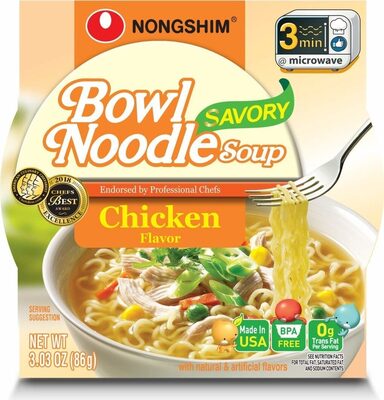 Nong Shim Co., Ltd.
Savory Chicken Flavor Bowl Noodle Soup, Savory Chicken
High in sodium — 60% DV per serving
High in saturated fat — 35% DV per serving
453kcal
10.5Protein
16.3Fat
66.3Carbs
Nong Shim Co., Ltd.
Naengmyeon With Sweet & Spicy Gochujang Sauce, Sweet & Spicy Gochujang Sauce
High in sodium — 46% DV per serving
High in added sugars — 24% DV per serving
352kcal
6.9Protein
4.4Fat
70.4Carbs
Nong Shim Co., Ltd.
Savory Chicken Flavor Bowl Noodle Soup, Savory Chicken
High in sodium — 60% DV per serving
High in saturated fat — 35% DV per serving
453kcal
10.5Protein
16.3Fat
66.3Carbs
Nong Shim Co., Ltd.
Naengmyeon With Sweet & Spicy Gochujang Sauce, Sweet & Spicy Gochujang Sauce
High in sodium — 46% DV per serving
High in added sugars — 24% DV per serving
352kcal
6.9Protein
4.4Fat
70.4Carbs
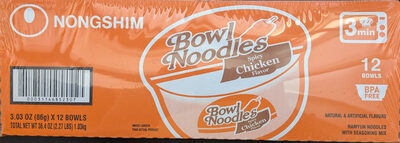 Nong Shim Co., Ltd.
Spicy Chicken Flavor Bowl Noodle Soup, Spicy Chicken
High in sodium — 66% DV per serving
High in saturated fat — 35% DV per serving
442kcal
9.3Protein
16.3Fat
65.1Carbs
Nong Shim Co., Ltd.
Spicy Chicken Flavor Bowl Noodle Soup, Spicy Chicken
High in sodium — 66% DV per serving
High in saturated fat — 35% DV per serving
442kcal
9.3Protein
16.3Fat
65.1Carbs
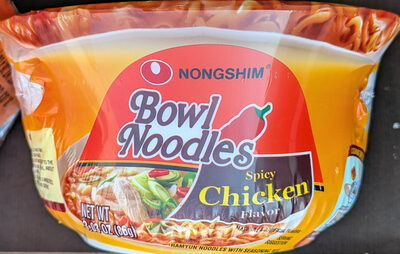 Nong Shim Co., Ltd.
Spicy Chicken Flavor Bowl Noodle Soup, Spicy Chicken Flavor
High in sodium — 66% DV per serving
High in saturated fat — 35% DV per serving
442kcal
9.3Protein
16.3Fat
65.1Carbs
Nong Shim Co., Ltd.
Spicy Chicken Flavor Bowl Noodle Soup, Spicy Chicken Flavor
High in sodium — 66% DV per serving
High in saturated fat — 35% DV per serving
442kcal
9.3Protein
16.3Fat
65.1Carbs