Java Tea Leaves
What is Java Tea Leaves?
Java tea leaves, also known as Orthosiphon stamineus, come from a plant native to Southeast Asia. The leaves are harvested and typically dried for use in teas and herbal supplements. They are known for their distinct aroma and flavor.
Is Java Tea Leaves vegan?
Java Tea Leaves is not animal-derived. Products that contain it can still include other animal-derived ingredients, so check the full ingredient list.
Is Java Tea Leaves gluten-free?
They do not contain gluten.
Is Java Tea Leaves a major allergen?
Java tea leaves are not derived from any of the nine FDA major allergens.
What is Java Tea Leaves used for?
Java tea leaves are primarily used to create herbal teas, both hot and iced.
Is Java Tea Leaves safe?
Java tea is generally recognized as safe (GRAS) by the FDA for use as a food ingredient.
Why it's used
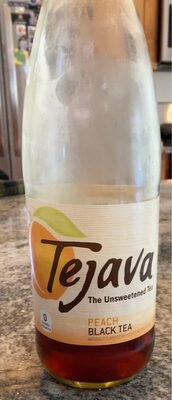
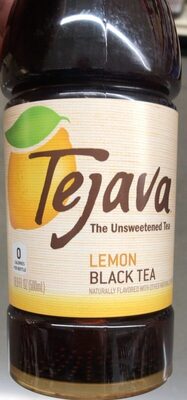
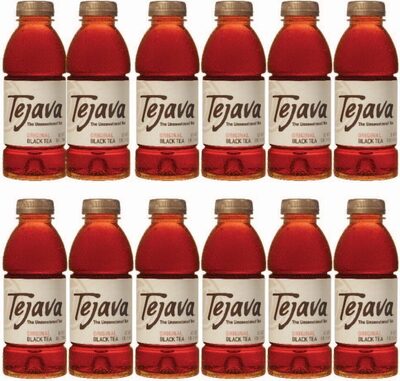
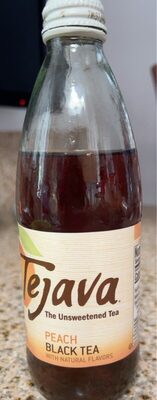
Java tea leaves are primarily used to create herbal teas, both hot and iced. Manufacturers add them for their unique flavor profile, often found in bottled teas and flavored tea blends. They can also be found in some dietary supplements.
Health notes
Java tea is generally recognized as safe (GRAS) by the FDA for use as a food ingredient. It has been traditionally used in herbal medicine, but scientific research on its health effects at typical consumption levels is limited. The European Food Safety Authority (EFSA) has not established specific regulations for Java tea as a food additive. Evidence regarding specific health benefits or risks is not conclusive.
Allergen info
Java tea leaves are not derived from any of the nine FDA major allergens. They do not contain gluten.
Foods that contain Java Tea Leaves
Compare products →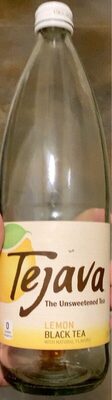






Auto-generated content. This description was generated automatically and is pending editorial review. Inaccuracies are possible. Found a mistake? Contact us.