Kasoori Methi
What is Kasoori Methi?
Kasoori methi refers to dried fenugreek leaves. Fenugreek is an herb in the pea family, native to the Mediterranean region, North Africa, and Asia. The leaves are harvested, dried, and then often crumbled for use in cooking.
Is Kasoori Methi vegan?
Kasoori Methi is not animal-derived. Products that contain it can still include other animal-derived ingredients, so check the full ingredient list.
Is Kasoori Methi gluten-free?
It does not contain gluten.
Is Kasoori Methi a major allergen?
Not a major allergen.
What is Kasoori Methi used for?
Dried fenugreek leaves are used as a spice to add a distinct, slightly bitter, and aromatic flavor to dishes.
Is Kasoori Methi safe?
Kasoori methi is generally recognized as safe (GRAS) for use as a food ingredient by the FDA.
Why it's used
Dried fenugreek leaves are used as a spice to add a distinct, slightly bitter, and aromatic flavor to dishes. They are particularly common in Indian cuisine, often found in curries, stews, and vegetable dishes, where they contribute depth and complexity to the overall taste profile.
Health notes
Kasoori methi is generally recognized as safe (GRAS) for use as a food ingredient by the FDA. It is primarily used for its flavor and is consumed in small quantities as part of meals. Regulatory bodies like JECFA and EFSA have evaluated fenugreek and its components, but specific evaluations for dried fenugreek leaves as a food additive are not widely publicized. There are no widespread controversies regarding its use in typical food amounts.
Allergen info
Not a major allergen. Fenugreek is a legume, but it is not among the nine major allergens recognized by the FDA. It does not contain gluten.
Foods that contain Kasoori Methi
Compare products →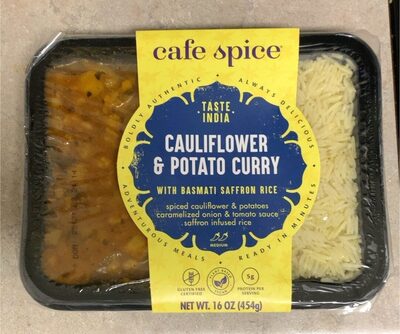 Zaika Flavours Of India Inc.
Aloo Gobhi Curry With Saffron Rice, Medium
High in sodium — 30% DV per serving
88kcal
1.8Protein
2.6Fat
15.0Carbs
Zaika Flavours Of India Inc.
Aloo Gobhi Curry With Saffron Rice, Medium
High in sodium — 30% DV per serving
88kcal
1.8Protein
2.6Fat
15.0Carbs
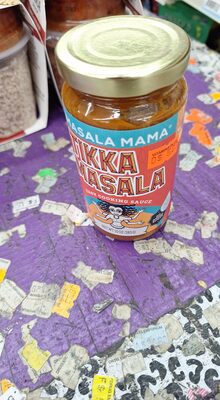 Masala Mama LLC
Tikka Masala Mild-Medium All Natural Simmer Sauce, Tikka Masala, Mild-Medium
High in saturated fat — 30% DV per serving
147kcal
2.1Protein
11.6Fat
9.5Carbs
Zaika Flavours Of India Inc.
Whole Planet, Cafe Spice, Vegetable Korma With Saffron Rice
128kcal
2.2Protein
2.2Fat
25.1Carbs
Masala Mama LLC
Tikka Masala Mild-Medium All Natural Simmer Sauce, Tikka Masala, Mild-Medium
High in saturated fat — 30% DV per serving
147kcal
2.1Protein
11.6Fat
9.5Carbs
Zaika Flavours Of India Inc.
Whole Planet, Cafe Spice, Vegetable Korma With Saffron Rice
128kcal
2.2Protein
2.2Fat
25.1Carbs
Learn more
Auto-generated content. This description was generated automatically and is pending editorial review. Inaccuracies are possible. Found a mistake? Contact us.