Konnyaku
What is Konnyaku?
Konnyaku is a traditional Japanese food made from the roots of the konjac plant (Amorphophallus konjac). The roots are ground into a flour, then mixed with water and a coagulant (like calcium hydroxide) to form a gel. This gel is then shaped and cooked.
Is Konnyaku vegan?
Konnyaku is not animal-derived. Products that contain it can still include other animal-derived ingredients, so check the full ingredient list.
Is Konnyaku gluten-free?
It is also gluten-free.
Is Konnyaku a major allergen?
Konnyaku is not derived from any of the nine FDA major allergens.
What is Konnyaku used for?
Konnyaku is often used as a low-calorie, high-fiber ingredient in Japanese cuisine.
Is Konnyaku safe?
Konnyaku is recognized as Generally Recognized As Safe (GRAS) by the FDA for use in food.
Why it's used
Konnyaku is often used as a low-calorie, high-fiber ingredient in Japanese cuisine. It's known for its unique chewy texture and ability to absorb flavors. In the US, it's commonly found in shirataki noodles and other pasta alternatives due to its low carbohydrate content.
Health notes
Konnyaku is recognized as Generally Recognized As Safe (GRAS) by the FDA for use in food. Its primary health benefit comes from its high content of glucomannan, a soluble dietary fiber. Studies suggest glucomannan may help with feelings of fullness and support digestive health. JECFA and EFSA have evaluated konjac, but no specific regulatory limits are typically cited for its use as a food ingredient.
Allergen info
Konnyaku is not derived from any of the nine FDA major allergens. It is also gluten-free.
Foods that contain Konnyaku
Compare products →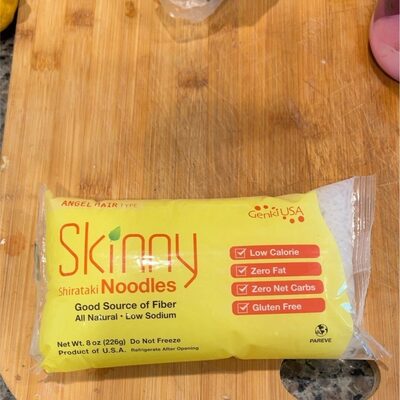
Auto-generated content. This description was generated automatically and is pending editorial review. Inaccuracies are possible. Found a mistake? Contact us.