Lb Rhamnosus
What is Lb Rhamnosus?
Lactobacillus rhamnosus is a type of bacteria that is naturally found in the human gut. It is a probiotic, meaning it is a live microorganism that can provide health benefits when consumed in adequate amounts. It is often grown in labs for use in supplements and foods.
Is Lb Rhamnosus vegan?
Lb Rhamnosus is not animal-derived. Products that contain it can still include other animal-derived ingredients, so check the full ingredient list.
Is Lb Rhamnosus gluten-free?
It does not contain gluten.
Is Lb Rhamnosus a major allergen?
Lactobacillus rhamnosus is not a major allergen.
What is Lb Rhamnosus used for?
Lactobacillus rhamnosus is added to foods as a probiotic to potentially support gut health.
Is Lb Rhamnosus safe?
Lactobacillus rhamnosus is generally recognized as safe (GRAS) by the FDA for use in foods.
Why it's used
Lactobacillus rhamnosus is added to foods as a probiotic to potentially support gut health. It is commonly found in fermented dairy products like yogurt and kefir, as well as in some juices and dietary supplements.
Health notes
Lactobacillus rhamnosus is generally recognized as safe (GRAS) by the FDA for use in foods. Research suggests that certain strains may help with digestive issues like diarrhea and irritable bowel syndrome, though evidence can vary by strain and individual. JECFA has evaluated some strains of Lactobacillus and has not set a numeric limit (ADI not specified).
Allergen info
Lactobacillus rhamnosus is not a major allergen. It is not derived from milk, eggs, fish, shellfish, tree nuts, peanuts, wheat, soy, or sesame. It does not contain gluten.
Foods that contain Lb Rhamnosus
Compare products →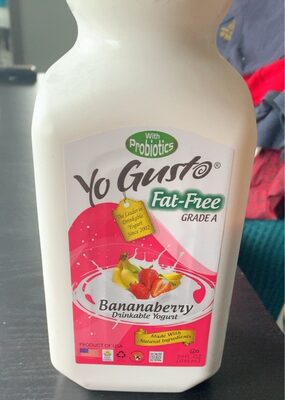


Auto-generated content. This description was generated automatically and is pending editorial review. Inaccuracies are possible. Found a mistake? Contact us.