Light Brown Sugar Refiner's Syrup
What is Light Brown Sugar Refiner's Syrup?
Light brown sugar refiner's syrup is a thick, golden-brown liquid byproduct created during the refining of sugar cane or sugar beets. It's essentially a type of molasses that remains after some sugar crystals have been removed from the raw sugar solution.
Is Light Brown Sugar Refiner's Syrup vegan?
Light Brown Sugar Refiner's Syrup is not animal-derived. Products that contain it can still include other animal-derived ingredients, so check the full ingredient list.
Is Light Brown Sugar Refiner's Syrup a major allergen?
Not a major allergen.
What is Light Brown Sugar Refiner's Syrup used for?
It is used in foods primarily as a sweetener and for its distinct caramel-like flavor.
Is Light Brown Sugar Refiner's Syrup safe?
In the United States, light brown sugar refiner's syrup is generally recognized as safe (GRAS) by the FDA as a food ingredient.
Why it's used
It is used in foods primarily as a sweetener and for its distinct caramel-like flavor. Its syrupy texture also helps to retain moisture, contributing to a soft and chewy texture in baked goods and snack bars.
Health notes
In the United States, light brown sugar refiner's syrup is generally recognized as safe (GRAS) by the FDA as a food ingredient. As a form of added sugar, it contributes to the total sugar content of foods. The 2025-2030 Dietary Guidelines for Americans recommend consuming no amount of added sugars, and at most 10 grams per meal. JECFA has evaluated sugars as nutrients, not as food additives requiring an acceptable daily intake (ADI).
Allergen info
Not a major allergen.
Foods that contain Light Brown Sugar Refiner's Syrup
Compare products →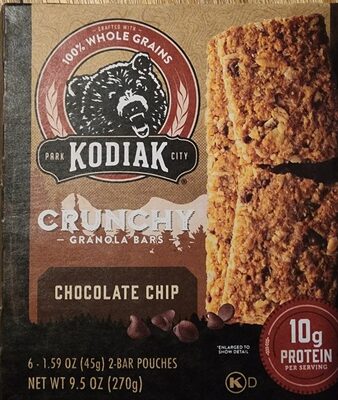 Baker Mills
Chocolate Chip Crunchy Granola Bars, Chocolate Chip
High in added sugars — 22% DV per serving
467kcal
22.2Protein
17.8Fat
55.6Carbs
Baker Mills
Chocolate Chip Crunchy Granola Bars, Chocolate Chip
High in added sugars — 22% DV per serving
467kcal
22.2Protein
17.8Fat
55.6Carbs
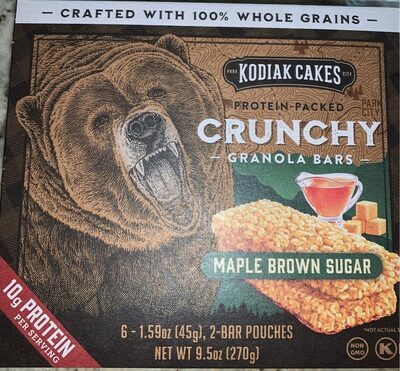 Baker Mills
Maple Brown Sugar Crunchy Granola Bars, Maple Brown Sugar
High in added sugars — 22% DV per serving
467kcal
22.2Protein
15.6Fat
57.8Carbs
Baker Mills
Maple Brown Sugar Crunchy Granola Bars, Maple Brown Sugar
High in added sugars — 22% DV per serving
467kcal
22.2Protein
15.6Fat
57.8Carbs
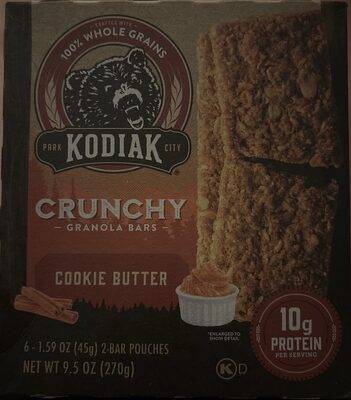 Baker Mills
Cookie Butter Crunchy Granola Bars, Cookie Butter
High in added sugars — 20% DV per serving
467kcal
22.2Protein
20Fat
51.1Carbs
Baker Mills
Cookie Butter Crunchy Granola Bars, Cookie Butter
High in added sugars — 20% DV per serving
467kcal
22.2Protein
20Fat
51.1Carbs
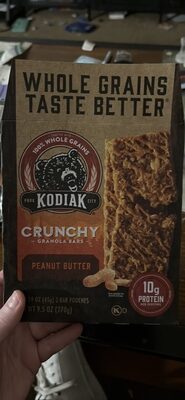 Baker Mills
Peanut Butter Crunchy Granola Bars, Peanut Butter
High in added sugars — 20% DV per serving
467kcal
22.2Protein
22.2Fat
48.9Carbs
Baker Mills
Peanut Butter Crunchy Granola Bars, Peanut Butter
High in added sugars — 20% DV per serving
467kcal
22.2Protein
22.2Fat
48.9Carbs
Learn more
Auto-generated content. This description was generated automatically and is pending editorial review. Inaccuracies are possible. Found a mistake? Contact us.