Lime Crystals
What is Lime Crystals?
Lime crystals are a powdered form of lime flavor, often created by dehydrating lime juice and pulp. This process concentrates the natural sour and aromatic qualities of the fruit. They are used to impart a distinct citrus taste without adding significant moisture.
Is Lime Crystals vegan?
Lime Crystals is not animal-derived. Products that contain it can still include other animal-derived ingredients, so check the full ingredient list.
Is Lime Crystals gluten-free?
They are not a major allergen and do not contain gluten.
Is Lime Crystals a major allergen?
Lime crystals are derived from limes, which are fruits.
What is Lime Crystals used for?
Manufacturers use lime crystals to add a bright, tangy lime flavor to a variety of foods.
Is Lime Crystals safe?
Lime crystals are generally recognized as safe (GRAS) by the FDA when used as a flavoring agent.
Why it's used
Manufacturers use lime crystals to add a bright, tangy lime flavor to a variety of foods. They are common in seasoning blends, dry soup mixes, marinades, and snack coatings. Their powdered form makes them easy to incorporate into dry mixes and rubs.
Health notes
Lime crystals are generally recognized as safe (GRAS) by the FDA when used as a flavoring agent. They are a natural source of citric acid, which is not associated with adverse health effects at typical dietary levels. Regulatory bodies like JECFA have evaluated citric acid and its salts, finding them safe for consumption. No significant health controversies are associated with the use of lime crystals in food.
Allergen info
Lime crystals are derived from limes, which are fruits. They are not a major allergen and do not contain gluten.
Foods that contain Lime Crystals
Compare products →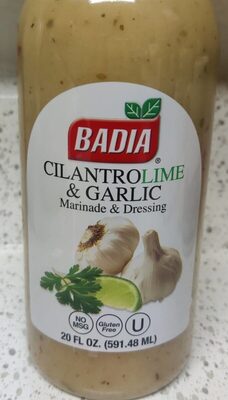 Badia Spices Inc.
Cilantro Lime With Garlic Marinade & Dressing, Cilantro; Lime; Garlic
133kcal
0Protein
6.7Fat
20Carbs
Bolner's Fiesta Products, Inc.
Chili Lime Seasoning, Chili Lime
0kcal
0Protein
0Fat
0Carbs
Palmetto Gourmet Foods, INC
Spicy Tequila Lime Flavor Ramen
High in sodium — 52% DV per serving
451kcal
28.2Protein
22.5Fat
39.4Carbs
Palmetto Gourmet Foods, INC
Spicy Tequila Lime Flavor Ramen, Spicy Tequila; Lime
High in sodium — 52% DV per serving
451kcal
28.2Protein
22.5Fat
39.4Carbs
Badia Spices Inc.
Cilantro Lime With Garlic Marinade & Dressing, Cilantro; Lime; Garlic
133kcal
0Protein
6.7Fat
20Carbs
Bolner's Fiesta Products, Inc.
Chili Lime Seasoning, Chili Lime
0kcal
0Protein
0Fat
0Carbs
Palmetto Gourmet Foods, INC
Spicy Tequila Lime Flavor Ramen
High in sodium — 52% DV per serving
451kcal
28.2Protein
22.5Fat
39.4Carbs
Palmetto Gourmet Foods, INC
Spicy Tequila Lime Flavor Ramen, Spicy Tequila; Lime
High in sodium — 52% DV per serving
451kcal
28.2Protein
22.5Fat
39.4Carbs
Learn more
Auto-generated content. This description was generated automatically and is pending editorial review. Inaccuracies are possible. Found a mistake? Contact us.