Loins
Auto-generated content. This description was generated automatically and is pending editorial review. Inaccuracies are possible. Found a mistake? Contact us.
What it is
Loins are a primal cut of meat, typically referring to the section of a pig, sheep, or cattle running from the shoulder to the hind leg. This area is known for its tenderness and is often used for roasts and chops. In processed meats like sausages and hot dogs, loins are often ground or chopped.
Why it's used
Manufacturers use loins as a primary protein source in processed meats such as sausages, hot dogs, and other ground meat products. They contribute a desirable meaty flavor and texture. Their leanness can also be a factor in formulating specific product profiles.
Health notes
Loins are a source of protein and various nutrients. The U.S. Food and Drug Administration (FDA) regulates meat products through the USDA's Food Safety and Inspection Service (FSIS). International bodies like the Joint FAO/WHO Expert Committee on Food Additives (JECFA) and the European Food Safety Authority (EFSA) evaluate food ingredients, but specific evaluations for 'loins' as a raw ingredient are not typically categorized in the same way as additives. Consumption of red meat is associated with certain health outcomes, and dietary guidelines recommend moderation.
Allergen info
Not a major allergen. Loins are derived from meat and do not contain any of the nine FDA major allergens. Gluten is not present.
Products containing Loins
Compare products →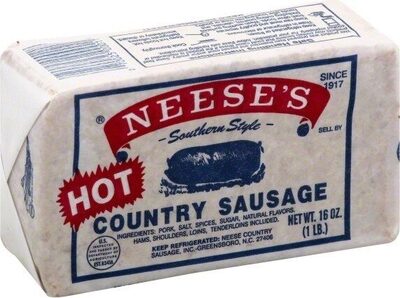 Neese Country Sausage Co., Inc.
Neese's, Southern Style Country Sausage, Hot, Hot
High in saturated fat — 25% DV per serving
415kcal
19.5Protein
39.0Fat
0Carbs
Neese Country Sausage Co., Inc.
Neese's, Southern Style Country Sausage, Hot, Hot
High in saturated fat — 25% DV per serving
415kcal
19.5Protein
39.0Fat
0Carbs
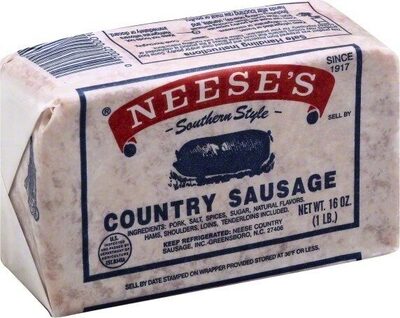 Neese Country Sausage Co., Inc.
Country Sausage
High in saturated fat — 25% DV per serving
415kcal
19.5Protein
39.0Fat
0Carbs
Gunnoe Sausage Company
Gunnoe's, Country Sausage, Mild
High in saturated fat — 20% DV per serving
294kcal
17.6Protein
25.5Fat
0Carbs
F.B. Purnell Sausage Co., Inc.
Country Sausage
High in saturated fat — 30% DV per serving
393kcal
14.3Protein
33.9Fat
0Carbs
Daily's Premium Meats LLC
2 oz. Country Style Sausage Patties
High in sodium — 22% DV per serving
High in saturated fat — 25% DV per serving
339kcal
19.6Protein
28.6Fat
0Carbs
Neese Country Sausage Co., Inc.
Country Sausage
High in saturated fat — 25% DV per serving
415kcal
19.5Protein
39.0Fat
0Carbs
Gunnoe Sausage Company
Gunnoe's, Country Sausage, Mild
High in saturated fat — 20% DV per serving
294kcal
17.6Protein
25.5Fat
0Carbs
F.B. Purnell Sausage Co., Inc.
Country Sausage
High in saturated fat — 30% DV per serving
393kcal
14.3Protein
33.9Fat
0Carbs
Daily's Premium Meats LLC
2 oz. Country Style Sausage Patties
High in sodium — 22% DV per serving
High in saturated fat — 25% DV per serving
339kcal
19.6Protein
28.6Fat
0Carbs