Shoulders
What is Shoulders?
Shoulders refers to a cut of meat from the shoulder area of an animal, most commonly a pig. This cut includes muscle, fat, and connective tissue, and is often prepared by grinding.
Is Shoulders vegan?
No. Shoulders is animal-derived, so it is not vegan.
Is Shoulders a major allergen?
Not a major allergen.
What is Shoulders used for?
Manufacturers use shoulder meat for its flavor, texture, and protein content in various processed meat products.
Is Shoulders safe?
As a whole food ingredient, shoulder meat is regulated by the U.S. Food and Drug Administration (FDA) as part of general food safety regulations for meat products.
Why it's used
Manufacturers use shoulder meat for its flavor, texture, and protein content in various processed meat products. It is frequently found in sausages, hot dogs, and other ground or cured meat items.
Health notes
As a whole food ingredient, shoulder meat is regulated by the U.S. Food and Drug Administration (FDA) as part of general food safety regulations for meat products. It is not a food additive and therefore does not have an Acceptable Daily Intake (ADI) set by bodies like JECFA or EFSA. There are no specific health concerns associated with shoulder meat itself beyond those generally related to the consumption of meat products, such as fat content.
Allergen info
Not a major allergen.
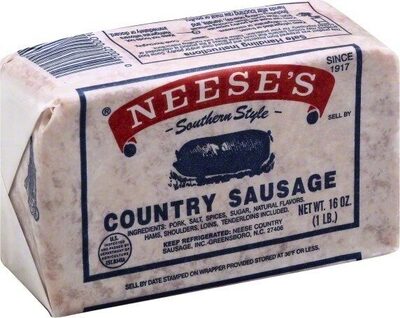
Foods that contain Shoulders
Compare products →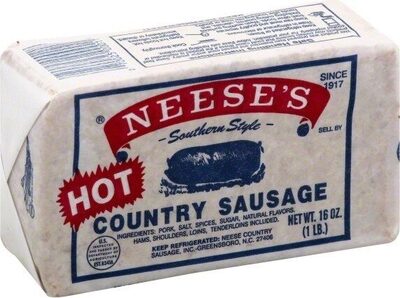
Learn more
Auto-generated content. This description was generated automatically and is pending editorial review. Inaccuracies are possible. Found a mistake? Contact us.