Lycopene Color
What is Lycopene Color?
Lycopene is a naturally occurring red pigment found in tomatoes and other red fruits and vegetables. It is extracted from these sources and purified for use as a food colorant. Lycopene gives foods a red or pink hue.
Is Lycopene Color vegan?
Lycopene Color is not animal-derived. Products that contain it can still include other animal-derived ingredients, so check the full ingredient list.
Is Lycopene Color gluten-free?
It does not contain gluten.
Is Lycopene Color a major allergen?
Lycopene is derived from plants and is not one of the 9 major FDA allergens.
What is Lycopene Color used for?
Manufacturers use lycopene to add or enhance red and pink colors in foods.
Is Lycopene Color safe?
Lycopene is generally recognized as safe (GRAS) by the FDA for use as a food colorant.
Why it's used
Manufacturers use lycopene to add or enhance red and pink colors in foods. It is commonly found in products like pasta, sauces, and some dairy items. It provides a natural-looking color without altering the food's flavor.
Health notes
Lycopene is generally recognized as safe (GRAS) by the FDA for use as a food colorant. It is also known as an antioxidant, though research on its health benefits in typical dietary amounts is ongoing. Regulatory bodies like EFSA have evaluated lycopene, and it is permitted for use in foods. No specific health concerns are associated with its use as a food colorant at typical intake levels.
Allergen info
Lycopene is derived from plants and is not one of the 9 major FDA allergens. It does not contain gluten.
Foods that contain Lycopene Color
Compare products →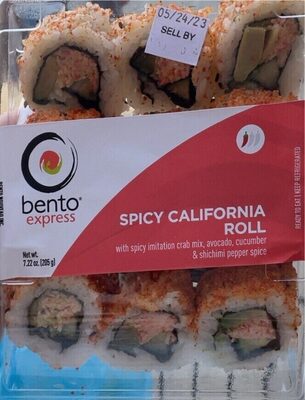 Brigaboom LLC
Spicy California Roll, Spicy California
High in sodium — 47% DV per serving
High in saturated fat — 45% DV per serving
High in added sugars — 24% DV per serving
156kcal
2.9Protein
—Fat
25.4Carbs
Pulmuone Foods USA, Inc.
Monterey Gourmet Foods, King Crab Ravioli
High in sodium — 21% DV per serving
High in saturated fat — 35% DV per serving
High in cholesterol — 30% DV per serving
246kcal
13.2Protein
9.7Fat
25.4Carbs
Brigaboom LLC
Super Sushi Family Pack! - Alaska Roll, Spicy California Roll, Vegetable California Roll, Smoke Steelhead Trout Nigiri, Imitation Crab Nigiri, Alaska, Spicy, Vegetable, Smoke
High in sodium — 42% DV per serving
150kcal
4.4Protein
4.4Fat
23.8Carbs
Brigaboom LLC
Fuji Combo Sushi Rolls
High in sodium — 59% DV per serving
High in added sugars — 32% DV per serving
151kcal
3.8Protein
3.0Fat
26.8Carbs
Brigaboom LLC
Spicy California Roll, Spicy California
High in sodium — 47% DV per serving
High in saturated fat — 45% DV per serving
High in added sugars — 24% DV per serving
156kcal
2.9Protein
—Fat
25.4Carbs
Pulmuone Foods USA, Inc.
Monterey Gourmet Foods, King Crab Ravioli
High in sodium — 21% DV per serving
High in saturated fat — 35% DV per serving
High in cholesterol — 30% DV per serving
246kcal
13.2Protein
9.7Fat
25.4Carbs
Brigaboom LLC
Super Sushi Family Pack! - Alaska Roll, Spicy California Roll, Vegetable California Roll, Smoke Steelhead Trout Nigiri, Imitation Crab Nigiri, Alaska, Spicy, Vegetable, Smoke
High in sodium — 42% DV per serving
150kcal
4.4Protein
4.4Fat
23.8Carbs
Brigaboom LLC
Fuji Combo Sushi Rolls
High in sodium — 59% DV per serving
High in added sugars — 32% DV per serving
151kcal
3.8Protein
3.0Fat
26.8Carbs
Learn more
Auto-generated content. This description was generated automatically and is pending editorial review. Inaccuracies are possible. Found a mistake? Contact us.