Mate Extract
What is Mate Extract?
Mate extract is a concentrated liquid or powder derived from the leaves of the yerba mate plant (Ilex paraguariensis), native to South America. The leaves are typically dried, roasted, and then steeped in hot water to create a beverage, from which the extract is produced.
Is Mate Extract vegan?
Mate Extract is not animal-derived. Products that contain it can still include other animal-derived ingredients, so check the full ingredient list.
Is Mate Extract gluten-free?
It does not contain gluten.
Is Mate Extract a major allergen?
Mate extract is not derived from any of the 9 major FDA allergens.
What is Mate Extract used for?
Manufacturers use mate extract primarily as a source of caffeine and for its distinct flavor in beverages like teas, energy drinks, and flavored waters.
Is Mate Extract safe?
Mate extract is generally recognized as safe (GRAS) by the FDA for use in food.
Why it's used
Manufacturers use mate extract primarily as a source of caffeine and for its distinct flavor in beverages like teas, energy drinks, and flavored waters. It can also contribute a slightly bitter taste and a natural brown color to food products.
Health notes
Mate extract is generally recognized as safe (GRAS) by the FDA for use in food. It contains caffeine, which can have stimulant effects. Regulatory bodies like JECFA and EFSA have evaluated yerba mate and its components. Research on the long-term health effects of mate consumption is ongoing, with some studies suggesting potential benefits related to antioxidant content, while others note potential risks associated with very high consumption.
Allergen info
Mate extract is not derived from any of the 9 major FDA allergens. It does not contain gluten.
Foods that contain Mate Extract
Compare products →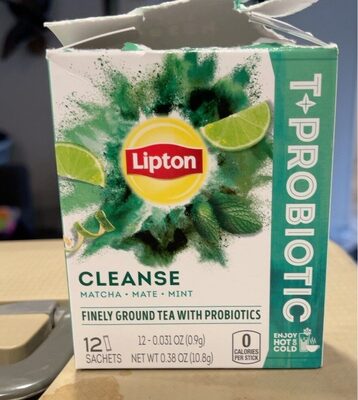 Lipton
Cleanse Finely Ground Tea With Probiotics Sachets, Cleanse
0kcal
0Protein
0Fat
111Carbs
Lipton
Cleanse Finely Ground Tea With Probiotics Sachets, Cleanse
0kcal
0Protein
0Fat
111Carbs
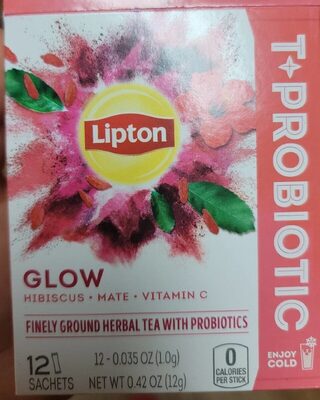 Lipton
Glow Finely Ground Herbal Tea With Probiotics Sachets, Glow
0kcal
0Protein
0Fat
100Carbs
Pepsi-Cola North America Inc.
Dragonfruit Mate Energizing Iced Tea, Dragonfruit
19kcal
0Protein
0Fat
4.7Carbs
Lipton
Glow Finely Ground Herbal Tea With Probiotics Sachets, Glow
0kcal
0Protein
0Fat
100Carbs
Pepsi-Cola North America Inc.
Dragonfruit Mate Energizing Iced Tea, Dragonfruit
19kcal
0Protein
0Fat
4.7Carbs
Auto-generated content. This description was generated automatically and is pending editorial review. Inaccuracies are possible. Found a mistake? Contact us.