Molassess
What is Molassess?
Molasses is a thick, dark syrup produced during the refining of sugar cane or sugar beets into crystalline sugar. It is a byproduct of sugar production, with different types (e.g., light, dark, blackstrap) depending on how long the sugar crystals are boiled. The longer boiling process results in a darker color and more intense flavor.
Is Molassess vegan?
Molassess is not animal-derived. Products that contain it can still include other animal-derived ingredients, so check the full ingredient list.
Is Molassess gluten-free?
Molasses is not derived from any of the 9 major allergens and does not contain gluten.
What is Molassess used for?
Molasses is primarily used as a sweetener and flavoring agent in a variety of baked goods, including gingerbread, cookies, and cakes, as well as in barbecue sauces and marinades.
Is Molassess safe?
Molasses is generally recognized as safe (GRAS) by the FDA for use in food.
Why it's used
Molasses is primarily used as a sweetener and flavoring agent in a variety of baked goods, including gingerbread, cookies, and cakes, as well as in barbecue sauces and marinades. Its rich, slightly bitter flavor adds depth, while its moisture content can help keep baked goods soft. It also contributes to the dark color of many products.
Health notes
Molasses is generally recognized as safe (GRAS) by the FDA for use in food. It contains some minerals, such as iron and calcium, in small amounts. While it is a source of sugars, it is a less refined product than white sugar. Regulatory bodies like JECFA and EFSA have evaluated similar sugar-derived products, but specific evaluations for molasses itself are not widely publicized.
Allergen info
Molasses is not derived from any of the 9 major allergens and does not contain gluten.
Foods that contain Molassess
Compare products →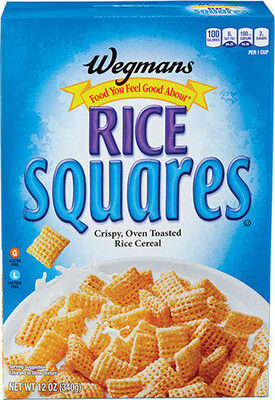 Wegmans Food Markets, Inc.
Crispy, Oven Toasted Rice Cereal
370kcal
7.4Protein
0Fat
85.2Carbs
Wegmans Food Markets, Inc.
Crispy, Oven Toasted Rice Cereal
370kcal
7.4Protein
0Fat
85.2Carbs
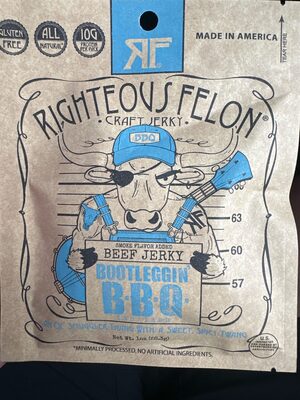 Righteous Felon, LLC
Baby Blue's B-B-Q Beef Jerky, Baby Blue's B-B-Q
214kcal
35.7Protein
3.6Fat
21.4Carbs
Righteous Felon, LLC
Baby Blue's B-B-Q Beef Jerky, Baby Blue's B-B-Q
214kcal
35.7Protein
3.6Fat
21.4Carbs
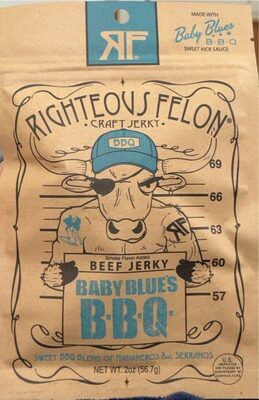 Righteous Felon, LLC
Baby Blue's BBQ Beef Jerky
214kcal
35.7Protein
3.6Fat
21.4Carbs
A.M. Braswell, Jr. Food Co. Inc.
Ginger Teriyaki Finishing Sauce, Ginger Teriyaki
176kcal
0Protein
0Fat
41.2Carbs
Righteous Felon, LLC
Baby Blue's BBQ Beef Jerky
214kcal
35.7Protein
3.6Fat
21.4Carbs
A.M. Braswell, Jr. Food Co. Inc.
Ginger Teriyaki Finishing Sauce, Ginger Teriyaki
176kcal
0Protein
0Fat
41.2Carbs
Learn more
Auto-generated content. This description was generated automatically and is pending editorial review. Inaccuracies are possible. Found a mistake? Contact us.