Natural Color Caramel
What is Natural Color Caramel?
Natural color caramel is a food coloring made by heating carbohydrates, usually in the presence of amino acids, acids, or alkalis. The process creates a range of brown hues, from light yellow-brown to dark brown. It is one of the oldest and most widely used food colorings.
Is Natural Color Caramel gluten-free?
It does not contain gluten.
Is Natural Color Caramel a major allergen?
Natural color caramel is not derived from any of the nine major allergens.
What is Natural Color Caramel used for?
Manufacturers use natural color caramel to provide or enhance brown colors in a variety of foods and beverages.
Is Natural Color Caramel safe?
Natural color caramel is generally recognized as safe (GRAS) by the FDA for use in food.
Why it's used
Manufacturers use natural color caramel to provide or enhance brown colors in a variety of foods and beverages. It is commonly found in baked goods, soft drinks, sauces, gravies, and processed meats. Its function is purely for visual appeal, giving products a rich, appetizing appearance.
Health notes
Natural color caramel is generally recognized as safe (GRAS) by the FDA for use in food. Regulatory bodies like JECFA and EFSA have evaluated caramel colors and found them safe for consumption at typical levels. Some caramel colorings (Class III and IV) can form 4-methylimidazole (4-MEI) during production, which has raised some public concern, but studies have not shown adverse health effects from 4-MEI at the levels found in food.
Allergen info
Natural color caramel is not derived from any of the nine major allergens. It does not contain gluten.
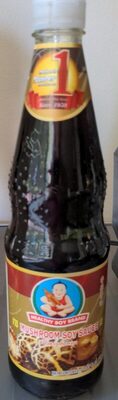
Foods that contain Natural Color Caramel
Compare products →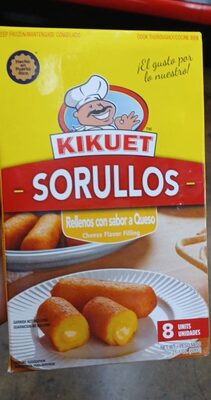
Learn more
Auto-generated content. This description was generated automatically and is pending editorial review. Inaccuracies are possible. Found a mistake? Contact us.