Natural Red Food Color
What is Natural Red Food Color?
Natural Red Food Color is a coloring agent derived from natural sources like plants, insects, or minerals. It is processed to extract and stabilize the color compounds, which are then used to impart red hues to foods. Common natural sources include beets, carmine (from cochineal insects), and annatto.
Is Natural Red Food Color vegan?
No. Natural Red Food Color is animal-derived, so it is not vegan.
Is Natural Red Food Color gluten-free?
It does not contain gluten.
Is Natural Red Food Color a major allergen?
Natural Red Food Color is not a major allergen.
What is Natural Red Food Color used for?
Manufacturers add natural red food color to provide an appealing red or pink color to a variety of food products.
Is Natural Red Food Color safe?
Natural Red Food Color is generally recognized as safe (GRAS) by the FDA for use in food.
Why it's used
Manufacturers add natural red food color to provide an appealing red or pink color to a variety of food products. It is used in baked goods, beverages, confectionery, dairy products, and snacks. Its purpose is purely aesthetic, enhancing the visual appeal of the food.
Health notes
Natural Red Food Color is generally recognized as safe (GRAS) by the FDA for use in food. Unlike some artificial colors, natural colorings are typically derived from edible sources and are not associated with the same controversies regarding hyperactivity or cancer concerns. Regulatory bodies like the FDA and EFSA monitor the safety of food colorings, and natural options are generally considered safe when used as intended.
Allergen info
Natural Red Food Color is not a major allergen. It is not derived from milk, egg, fish, shellfish, tree nuts, peanuts, wheat, soy, or sesame. It does not contain gluten.
Foods that contain Natural Red Food Color
Compare products →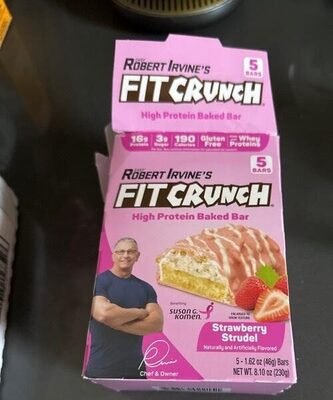
Learn more
Auto-generated content. This description was generated automatically and is pending editorial review. Inaccuracies are possible. Found a mistake? Contact us.