Natural Tamarind Pulp
What is Natural Tamarind Pulp?
Tamarind pulp comes from the fruit of the tamarind tree, native to tropical Africa. The fruit is a pod containing seeds surrounded by a fibrous pulp that is tart and sweet. The pulp is typically dried and processed into a paste or concentrate for use in food.
Is Natural Tamarind Pulp vegan?
Natural Tamarind Pulp is not animal-derived. Products that contain it can still include other animal-derived ingredients, so check the full ingredient list.
Is Natural Tamarind Pulp gluten-free?
It does not contain gluten.
Is Natural Tamarind Pulp a major allergen?
Tamarind is not one of the nine major allergens.
What is Natural Tamarind Pulp used for?
Tamarind pulp is primarily used to add a unique sweet and sour flavor to foods.
Is Natural Tamarind Pulp safe?
Tamarind pulp is generally recognized as safe (GRAS) by the FDA for use as a food ingredient.
Why it's used
Tamarind pulp is primarily used to add a unique sweet and sour flavor to foods. It acts as a natural flavoring agent and can also contribute to the texture of sauces, candies, and beverages. It is commonly found in ethnic cuisines, candies, chutneys, and drinks.
Health notes
Tamarind pulp is generally recognized as safe (GRAS) by the FDA for use as a food ingredient. It is a source of vitamin C and some B vitamins, and contains fiber. While generally considered safe, excessive consumption might lead to digestive upset due to its fiber content. Regulatory bodies like EFSA have not specifically evaluated tamarind pulp as a food additive, as it is primarily used for its flavor and nutritional properties.
Allergen info
Tamarind is not one of the nine major allergens. It does not contain gluten.
Foods that contain Natural Tamarind Pulp
Compare products →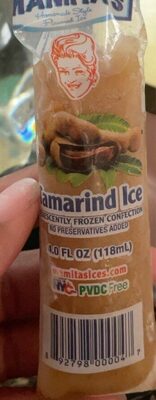 Mamita's Ices
Tamarinde Homemade Style Flavored Ice, Tamarinde Homemade Style
High in added sugars — 44% DV per serving
93kcal
0Protein
0Fat
22.9Carbs
Alamo Packing Co.
Hot And Salted Tamarind Fruit Candy, Hot And Salted
High in sodium — 26% DV per serving
225kcal
1.6Protein
2.0Fat
50Carbs
Mamita's Ices
Tamarind Ice Homemade Style Flavored Ice, Tamarind
High in added sugars — 44% DV per serving
93kcal
0Protein
0Fat
22.9Carbs
Mamita's Ices
Tamarinde Homemade Style Flavored Ice, Tamarinde Homemade Style
High in added sugars — 44% DV per serving
93kcal
0Protein
0Fat
22.9Carbs
Alamo Packing Co.
Hot And Salted Tamarind Fruit Candy, Hot And Salted
High in sodium — 26% DV per serving
225kcal
1.6Protein
2.0Fat
50Carbs
Mamita's Ices
Tamarind Ice Homemade Style Flavored Ice, Tamarind
High in added sugars — 44% DV per serving
93kcal
0Protein
0Fat
22.9Carbs
Auto-generated content. This description was generated automatically and is pending editorial review. Inaccuracies are possible. Found a mistake? Contact us.