Nocellara Olives
What is Nocellara Olives?
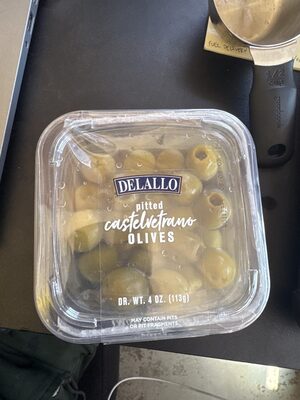
Nocellara olives, also known as Castelvetrano olives, are a variety of green olive native to Sicily, Italy. They are known for their bright green color, firm texture, and mild, buttery flavor. They are typically cured in brine, which preserves them and reduces their natural bitterness.
Is Nocellara Olives vegan?
Nocellara Olives is not animal-derived. Products that contain it can still include other animal-derived ingredients, so check the full ingredient list.
Is Nocellara Olives gluten-free?
They do not contain gluten.
Is Nocellara Olives a major allergen?
Nocellara olives are not a major allergen.
What is Nocellara Olives used for?
Nocellara olives are primarily used for their distinct flavor and texture.
Is Nocellara Olives safe?
Nocellara olives are generally recognized as safe (GRAS) by the FDA for use in food.
Why it's used
Nocellara olives are primarily used for their distinct flavor and texture. They are often eaten as a table olive, used in salads, or added to pasta dishes and pizzas. Their mild taste makes them a versatile ingredient that complements a variety of savory foods.
Health notes
Nocellara olives are generally recognized as safe (GRAS) by the FDA for use in food. They are a source of healthy fats, fiber, and antioxidants. While generally considered healthy, like all olives, they are high in sodium due to the brining process. Excessive sodium intake can contribute to high blood pressure in some individuals. JECFA and EFSA have evaluated various olive products, but specific evaluations for Nocellara olives are not widely cited.
Allergen info
Nocellara olives are not a major allergen. They do not contain gluten.
Foods that contain Nocellara Olives
Compare products →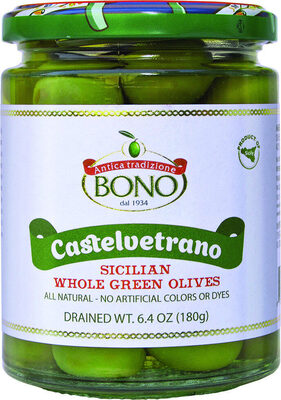
Auto-generated content. This description was generated automatically and is pending editorial review. Inaccuracies are possible. Found a mistake? Contact us.