Oleoresin Extracts Of Paprika
What is Oleoresin Extracts Of Paprika?
Oleoresin extracts of paprika are natural colorants and flavorings derived from the dried fruits of the *Capsicum annuum* plant, commonly known as paprika peppers. The process involves extracting the coloring and flavoring compounds using solvents, which are then removed to leave a concentrated oleoresin.
Is Oleoresin Extracts Of Paprika vegan?
Oleoresin Extracts Of Paprika is not animal-derived. Products that contain it can still include other animal-derived ingredients, so check the full ingredient list.
Is Oleoresin Extracts Of Paprika gluten-free?
It does not contain gluten.
Is Oleoresin Extracts Of Paprika a major allergen?
Oleoresin paprika is not derived from any of the nine FDA major allergens.
What is Oleoresin Extracts Of Paprika used for?
This ingredient is primarily used to impart a vibrant red to orange color and a mild, sometimes spicy, flavor to foods.
Is Oleoresin Extracts Of Paprika safe?
In the U.S., oleoresin paprika is generally recognized as safe (GRAS) by the FDA for use as a food additive.
Why it's used
This ingredient is primarily used to impart a vibrant red to orange color and a mild, sometimes spicy, flavor to foods. It is frequently found in processed meats like pepperoni and sausages, as well as in snack foods, sauces, and dairy products such as cheese and butter.
Health notes
In the U.S., oleoresin paprika is generally recognized as safe (GRAS) by the FDA for use as a food additive. It is considered a natural colorant and flavoring. International bodies like JECFA have evaluated paprika extracts. At typical consumption levels, it is not associated with adverse health effects. Evidence does not suggest significant health concerns from its use as intended.
Allergen info
Oleoresin paprika is not derived from any of the nine FDA major allergens. It does not contain gluten.
Foods that contain Oleoresin Extracts Of Paprika
Compare products →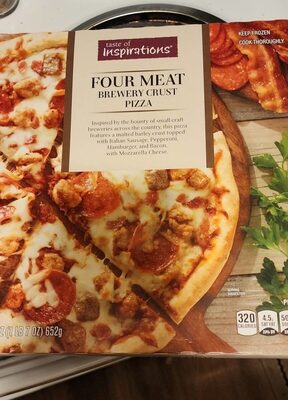
Learn more
Auto-generated content. This description was generated automatically and is pending editorial review. Inaccuracies are possible. Found a mistake? Contact us.