Oleoresin Of Paprika Color
What is Oleoresin Of Paprika Color?
Oleoresin of paprika color is a natural coloring agent derived from the dried fruits of the paprika pepper plant (Capsicum annuum). It is produced by extracting the pigments, primarily capsanthin and capsorubin, using a solvent like hexane or ethanol, followed by solvent removal.
Is Oleoresin Of Paprika Color vegan?
Oleoresin Of Paprika Color is not animal-derived. Products that contain it can still include other animal-derived ingredients, so check the full ingredient list.
Is Oleoresin Of Paprika Color gluten-free?
It does not contain gluten.
Is Oleoresin Of Paprika Color a major allergen?
Oleoresin of paprika color is not derived from any of the nine FDA major allergens.
What is Oleoresin Of Paprika Color used for?
Manufacturers add oleoresin of paprika color to foods to impart a red to orange-red hue.
Is Oleoresin Of Paprika Color safe?
In the U.S., oleoresin of paprika color is generally recognized as safe (GRAS) by the FDA for use as a food coloring.
Why it's used
Manufacturers add oleoresin of paprika color to foods to impart a red to orange-red hue. It is commonly found in processed cheeses, snacks, baked goods, and meats to enhance visual appeal.
Health notes
In the U.S., oleoresin of paprika color is generally recognized as safe (GRAS) by the FDA for use as a food coloring. It is considered safe at typical consumption levels. International bodies like the Joint FAO/WHO Expert Committee on Food Additives (JECFA) and the European Food Safety Authority (EFSA) have evaluated paprika extracts, and they are permitted for use in many regions. There are no widespread controversies regarding its safety.
Allergen info
Oleoresin of paprika color is not derived from any of the nine FDA major allergens. It does not contain gluten.
Foods that contain Oleoresin Of Paprika Color
Compare products →




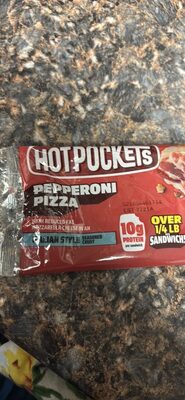
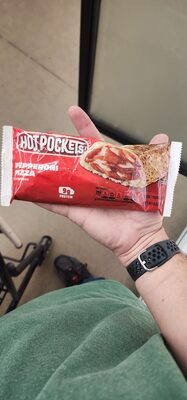
Learn more
Auto-generated content. This description was generated automatically and is pending editorial review. Inaccuracies are possible. Found a mistake? Contact us.