Organic Aai
What is Organic Aai?
Acai (pronounced ah-sigh-EE) is a small, dark purple berry native to the Amazon rainforest. The berries are harvested from the acai palm tree and are typically processed into a pulp or powder shortly after harvesting. The pulp is made by removing the seed and processing the fruit flesh.
Is Organic Aai vegan?
Organic Aai is not animal-derived. Products that contain it can still include other animal-derived ingredients, so check the full ingredient list.
Is Organic Aai gluten-free?
Acai is not a major allergen and does not contain gluten.
What is Organic Aai used for?
Acai pulp and powder are often used in smoothies, bowls, juices, and energy bars.
Is Organic Aai safe?
Acai is generally recognized as safe (GRAS) by the FDA for use as a food ingredient.
Why it's used
Acai pulp and powder are often used in smoothies, bowls, juices, and energy bars. Manufacturers use it for its vibrant color, slightly tart and earthy flavor, and perceived health benefits. It's frequently found in products marketed for energy, muscle recovery, and as a "superfood."
Health notes
Acai is generally recognized as safe (GRAS) by the FDA for use as a food ingredient. It is a source of antioxidants, fiber, and healthy fats. While often promoted for its health benefits, scientific evidence for specific disease prevention or treatment is limited. Regulatory bodies like EFSA have not specifically evaluated acai as a food additive. It is not known to be associated with significant health controversies at typical consumption levels.
Allergen info
Acai is not a major allergen and does not contain gluten. It is derived from a fruit.
Foods that contain Organic Aai
Compare products →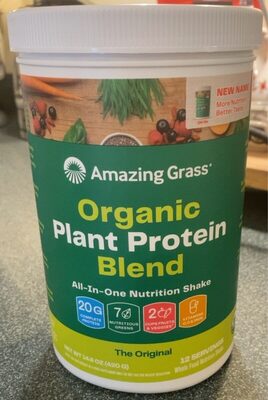 Grass Advantage
Organic Plant Protein Blend Complete Protein 20 G All-In-One Whole Food Nutrition Shake, The Original, The Original
400kcal
57.1Protein
10Fat
17.1Carbs
Grass Advantage
Organic Plant Protein Blend Complete Protein 20 G All-In-One Whole Food Nutrition Shake, The Original, The Original
400kcal
57.1Protein
10Fat
17.1Carbs
 Grass Advantage
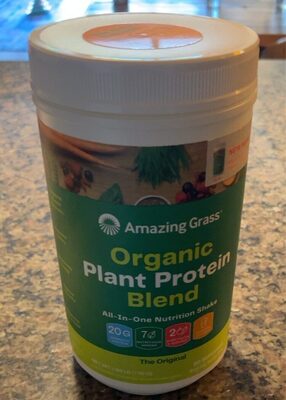
Organic Plant Protein Blend Whole Food Nutrition Shake, Original, Original
400kcal
57.1Protein
10Fat
17.1Carbs
Grass Advantage
Organic Plant Protein Blend Whole Food Nutrition Shake, Original, Original
400kcal
57.1Protein
10Fat
17.1Carbs
 Grass Advantage
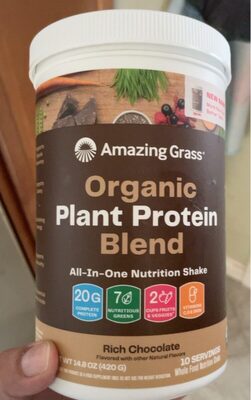
Organic Plant Protein Blend Complete Protein 20 G All-In-One Whole Food Nutrition Shake, Rich Chocolate, Rich Chocolate
381kcal
47.6Protein
9.5Fat
23.8Carbs
Grass Advantage
Organic Plant Protein Blend Complete Protein 20 G All-In-One Whole Food Nutrition Shake, Rich Chocolate, Rich Chocolate
381kcal
47.6Protein
9.5Fat
23.8Carbs
 Grass Advantage
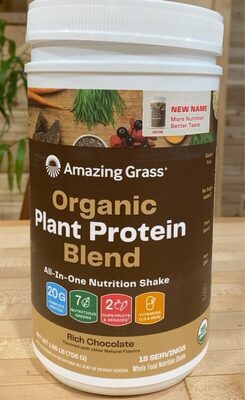
Organic Plant Protein Blend All-In-One Whole Food Nutrition Shake, Rich Chocolate, Rich Chocolate
381kcal
47.6Protein
9.5Fat
23.8Carbs
Grass Advantage
Organic Plant Protein Blend All-In-One Whole Food Nutrition Shake, Rich Chocolate, Rich Chocolate
381kcal
47.6Protein
9.5Fat
23.8Carbs
Auto-generated content. This description was generated automatically and is pending editorial review. Inaccuracies are possible. Found a mistake? Contact us.