Organic Assam Tea
What is Organic Assam Tea?
Organic Assam tea is a black tea made from the leaves of the Camellia sinensis plant, grown in the Assam region of India. It is known for its robust, malty flavor and dark color. The tea leaves are typically fully oxidized, which gives them their characteristic briskness and deep hue.
Is Organic Assam Tea vegan?
Organic Assam Tea is not animal-derived. Products that contain it can still include other animal-derived ingredients, so check the full ingredient list.
Is Organic Assam Tea gluten-free?
It does not contain gluten.
Is Organic Assam Tea a major allergen?
Not a major allergen.
What is Organic Assam Tea used for?
Assam tea is primarily used as a beverage, often consumed on its own or as a base for other flavored teas and drinks.
Is Organic Assam Tea safe?
Assam tea is generally recognized as safe (GRAS) by the FDA for use in food.
Why it's used
Assam tea is primarily used as a beverage, often consumed on its own or as a base for other flavored teas and drinks. Manufacturers use it for its strong flavor and color, which can add depth to products like kombucha, iced teas, and tea blends. It is valued for its characteristic malty taste.
Health notes
Assam tea is generally recognized as safe (GRAS) by the FDA for use in food. It contains antioxidants, such as flavonoids, which are compounds found in many fruits and vegetables. While moderate consumption of tea is associated with potential health benefits, such as improved heart health, research is ongoing. JECFA and EFSA have evaluated tea and its components, but no specific limits are typically set for tea itself as a food ingredient.
Allergen info
Not a major allergen. It does not contain gluten.
Foods that contain Organic Assam Tea
Compare products →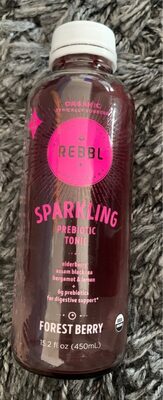 Rebbl, Inc.
Forest Berry Organic Elderberry, Assam Black Tea, Bergamot & Lemon Sparkling Prebiotic Tonic, Forest Berry
13kcal
0Protein
0Fat
3.1Carbs
Rebbl, Inc.
Forest Berry Organic Elderberry, Assam Black Tea, Bergamot & Lemon Sparkling Prebiotic Tonic, Forest Berry
13kcal
0Protein
0Fat
3.1Carbs
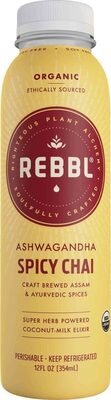 Rebbl, Inc.
Ashwagandha Spicy Chai Organic Super Herb Powered Coconut-Milk Elixir, Ashwagandha Spicy Chai
High in saturated fat — 35% DV per serving
44kcal
0.3Protein
2.2Fat
4.7Carbs
Current's Tackle
Citrus Hibiscus Tangy Hibiscus Tea With An Orange Lemon Twist Kombucha, Citrus Hibiscus
6kcal
0Protein
0Fat
1.7Carbs
Caldo International Inc.
Rose Black Assam Black Tea With Beautiful Roses, Rose Black
6kcal
0Protein
0Fat
1.7Carbs
Rebbl, Inc.
Ashwagandha Spicy Chai Organic Super Herb Powered Coconut-Milk Elixir, Ashwagandha Spicy Chai
High in saturated fat — 35% DV per serving
44kcal
0.3Protein
2.2Fat
4.7Carbs
Current's Tackle
Citrus Hibiscus Tangy Hibiscus Tea With An Orange Lemon Twist Kombucha, Citrus Hibiscus
6kcal
0Protein
0Fat
1.7Carbs
Caldo International Inc.
Rose Black Assam Black Tea With Beautiful Roses, Rose Black
6kcal
0Protein
0Fat
1.7Carbs
Learn more
Auto-generated content. This description was generated automatically and is pending editorial review. Inaccuracies are possible. Found a mistake? Contact us.