Organic Black Mission Figs
What is Organic Black Mission Figs?
Organic Black Mission Figs are a variety of fig grown in California, known for their deep purple-black skin and sweet, rich flavor. They are typically dried to concentrate their sweetness and extend shelf life. The figs are harvested when ripe and then dehydrated.
Is Organic Black Mission Figs vegan?
Organic Black Mission Figs is not animal-derived. Products that contain it can still include other animal-derived ingredients, so check the full ingredient list.
Is Organic Black Mission Figs gluten-free?
They do not contain gluten.
Is Organic Black Mission Figs a major allergen?
Figs are not one of the nine major allergens recognized by the FDA.
What is Organic Black Mission Figs used for?
Dried figs are often used as a natural sweetener and texturizer in baked goods, snack bars, and cereals.
Is Organic Black Mission Figs safe?
Figs are a source of dietary fiber and various minerals.
Why it's used
Dried figs are often used as a natural sweetener and texturizer in baked goods, snack bars, and cereals. They can also be found in trail mixes and as a standalone dried fruit snack. Their natural sweetness and chewy texture make them a versatile ingredient.
Health notes
Figs are a source of dietary fiber and various minerals. The FDA recognizes dried figs as Generally Recognized As Safe (GRAS). International bodies like JECFA have evaluated figs and their components. Evidence does not suggest adverse effects from consuming figs at typical dietary levels.
Allergen info
Figs are not one of the nine major allergens recognized by the FDA. They do not contain gluten.
Foods that contain Organic Black Mission Figs
Compare products →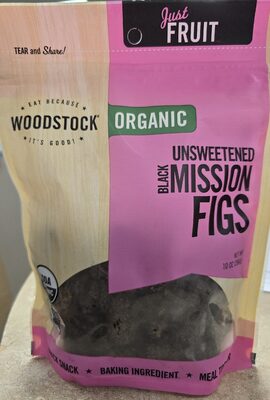 United Natural Foods, Inc.
Black Organic Mission Figs, Black
265kcal
2.9Protein
0Fat
64.7Carbs
WHOLE FOODS MARKETS
Black Mission Figs
300kcal
2.5Protein
0Fat
72.5Carbs
Falcon Trading Company Inc.
Organic Black Mission Figs Dried Fruits
300kcal
2.5Protein
0Fat
72.5Carbs
Tree of Life, Inc.
Organic Black Mission Figs
286kcal
3.6Protein
0Fat
64.3Carbs
Steve Ross Enterprises
Nature's Edibles, Mission Figs
274kcal
1.8Protein
0Fat
64.9Carbs
Made In Nature, Inc.
Mission Figs Organic Dried Back In Black Supersnacks, Mission Figs
275kcal
2.5Protein
0Fat
65Carbs
Kings Super Markets Inc
Black Mission Figs
375kcal
2.5Protein
0Fat
72.5Carbs
Big Y Foods, Inc.
Black Organic Mission Figs, Black
300kcal
2.5Protein
0Fat
72.5Carbs
United Natural Foods, Inc.
Black Organic Mission Figs, Black
265kcal
2.9Protein
0Fat
64.7Carbs
WHOLE FOODS MARKETS
Black Mission Figs
300kcal
2.5Protein
0Fat
72.5Carbs
Falcon Trading Company Inc.
Organic Black Mission Figs Dried Fruits
300kcal
2.5Protein
0Fat
72.5Carbs
Tree of Life, Inc.
Organic Black Mission Figs
286kcal
3.6Protein
0Fat
64.3Carbs
Steve Ross Enterprises
Nature's Edibles, Mission Figs
274kcal
1.8Protein
0Fat
64.9Carbs
Made In Nature, Inc.
Mission Figs Organic Dried Back In Black Supersnacks, Mission Figs
275kcal
2.5Protein
0Fat
65Carbs
Kings Super Markets Inc
Black Mission Figs
375kcal
2.5Protein
0Fat
72.5Carbs
Big Y Foods, Inc.
Black Organic Mission Figs, Black
300kcal
2.5Protein
0Fat
72.5Carbs
Auto-generated content. This description was generated automatically and is pending editorial review. Inaccuracies are possible. Found a mistake? Contact us.