Organic Echinacea Extract
Auto-generated content. This description was generated automatically and is pending editorial review. Inaccuracies are possible. Found a mistake? Contact us.
What it is
Organic echinacea extract is derived from the roots, leaves, or flowers of the echinacea plant, commonly known as the coneflower. The extract is typically produced by steeping the plant material in a solvent, such as water or alcohol, to draw out its compounds. This process concentrates the plant's natural constituents into a liquid or powdered form.
Why it's used
Manufacturers use organic echinacea extract primarily for its perceived health benefits, often marketed for immune support. It is commonly found in beverages like juices, shots, and teas, as well as in supplements.
Health notes
Echinacea is a popular herbal supplement, but scientific evidence regarding its effectiveness for preventing or treating colds is mixed. Some studies suggest a modest benefit, while others show no significant effect. Regulatory bodies like the FDA do not approve dietary supplements for safety or effectiveness before they go to market. Organizations like the European Food Safety Authority (EFSA) have evaluated some plant extracts, but specific evaluations for echinacea extract in food may vary. It is generally considered safe for most people when consumed in amounts typically found in foods and supplements, but potential side effects can include digestive upset.
Allergen info
Echinacea is derived from a plant and is not one of the nine FDA major allergens. It does not contain gluten.
Products containing Organic Echinacea Extract
Compare products →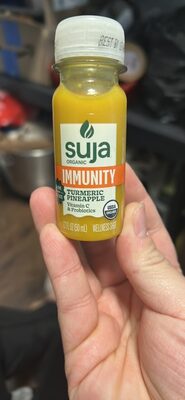 Suja Life, LLC
Immunity Defense Shot With Turmeric & Probiotics, Turmeric & Probiotics
30kcal
0Protein
0Fat
6Carbs
Suja Life, LLC
Immunity Defense Shot With Turmeric & Probiotics, Turmeric & Probiotics
30kcal
0Protein
0Fat
6Carbs
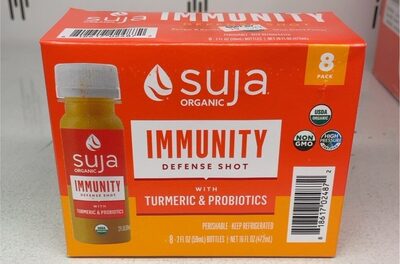 Suja Life, LLC
Immunity Defense Organic Shot With Turmeric & Probiotics
34kcal
0Protein
0Fat
—Carbs
Suja Life, LLC
Immunity Defense Organic Shot With Turmeric & Probiotics
34kcal
0Protein
0Fat
—Carbs
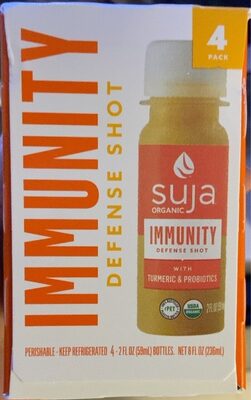 Suja Life, LLC
Organic Immunity Defense Shot With Turmeric & Probiotics Juice Drink
34kcal
—Protein
0Fat
6.8Carbs
Suja Life, LLC
Organic Immunity Defense Shot With Turmeric & Probiotics Juice Drink
34kcal
—Protein
0Fat
6.8Carbs
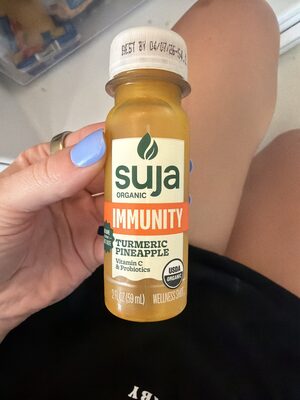 Suja Life, LLC
Immunity Defense Shot With Turmeric & Probiotics
34kcal
0Protein
0Fat
6.8Carbs
Suja Life, LLC
Immunity Defense Shot With Turmeric & Probiotics
34kcal
0Protein
0Fat
6.8Carbs