Organic Fair Trade Evaporated Cane Juice
What is Organic Fair Trade Evaporated Cane Juice?
Evaporated cane juice is a sweetener made from sugarcane. It is produced by pressing sugarcane stalks to extract the juice, which is then filtered and heated to evaporate most of the water, leaving behind a crystalline sugar. Unlike highly refined white sugar, it retains some of the molasses and natural color of the sugarcane.
Is Organic Fair Trade Evaporated Cane Juice vegan?
Organic Fair Trade Evaporated Cane Juice is not animal-derived. Products that contain it can still include other animal-derived ingredients, so check the full ingredient list.
Is Organic Fair Trade Evaporated Cane Juice a major allergen?
Not a major allergen.
What is Organic Fair Trade Evaporated Cane Juice used for?
This ingredient functions primarily as a sweetener in food products.
Is Organic Fair Trade Evaporated Cane Juice safe?
The FDA considers 'evaporated cane juice' to be sugar and has issued guidance that it should be labeled as 'sugar' or 'dried cane syrup,' as it is not a juice.
Why it's used
This ingredient functions primarily as a sweetener in food products. It is used to add sweetness and flavor to a variety of items, including beverages like iced tea, baked goods, cereals, and desserts. Manufacturers often choose it for its less-processed image and flavor profile compared to refined white sugar.
Health notes
The FDA considers 'evaporated cane juice' to be sugar and has issued guidance that it should be labeled as 'sugar' or 'dried cane syrup,' as it is not a juice. As a form of sugar, it is generally recognized as safe (GRAS) for use in food. Like all added sugars, it provides calories and can contribute to health issues if consumed in excess. The Dietary Guidelines for Americans (2025-2030) recommend no amount of added sugars as part of a healthy eating pattern.
Allergen info
Not a major allergen.
Foods that contain Organic Fair Trade Evaporated Cane Juice
Compare products →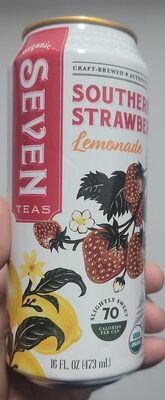
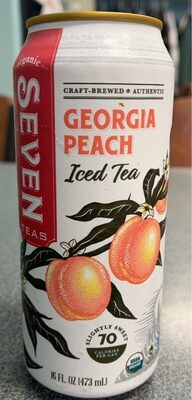
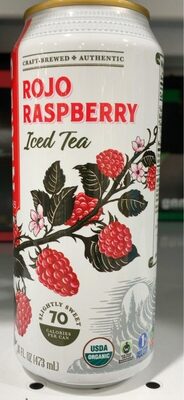
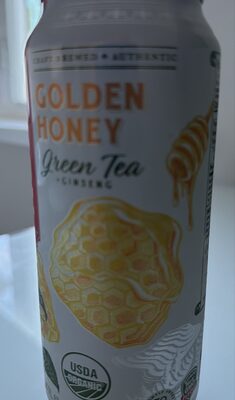
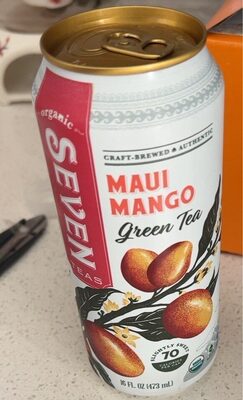
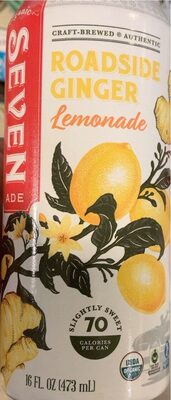
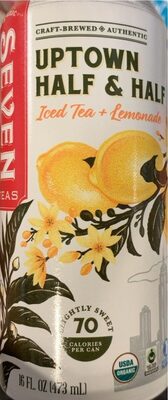
Learn more
Auto-generated content. This description was generated automatically and is pending editorial review. Inaccuracies are possible. Found a mistake? Contact us.