Organic Isomalto-oligosaccharide
What is Organic Isomalto-oligosaccharide?
Isomalto-oligosaccharide (IMO) is a type of carbohydrate made of short chains of glucose molecules. It is often produced from starch, commonly from corn or tapioca, through enzymatic processes. It is considered a prebiotic fiber, meaning it can feed beneficial bacteria in the gut.
Is Organic Isomalto-oligosaccharide vegan?
Organic Isomalto-oligosaccharide is not animal-derived. Products that contain it can still include other animal-derived ingredients, so check the full ingredient list.
Is Organic Isomalto-oligosaccharide gluten-free?
It does not contain gluten.
Is Organic Isomalto-oligosaccharide a major allergen?
Not a major allergen.
What is Organic Isomalto-oligosaccharide used for?
IMO is used as a sweetener and dietary fiber in various food products.
Is Organic Isomalto-oligosaccharide safe?
In the U.S., isomalto-oligosaccharide is generally recognized as safe (GRAS) by the FDA for use as a food ingredient.
Why it's used
IMO is used as a sweetener and dietary fiber in various food products. It provides a slightly sweet taste with fewer calories than sugar and can help improve the texture of foods. It is frequently found in protein bars, snack bars, and baked goods.
Health notes
In the U.S., isomalto-oligosaccharide is generally recognized as safe (GRAS) by the FDA for use as a food ingredient. It is considered a source of dietary fiber. International bodies like JECFA have evaluated IMO and established acceptable daily intakes. Some studies suggest it may have a positive impact on gut health due to its prebiotic properties, though more research is ongoing.
Allergen info
Not a major allergen. It is typically derived from corn or tapioca starch, which are not among the major allergens. It does not contain gluten.
Foods that contain Organic Isomalto-oligosaccharide
Compare products →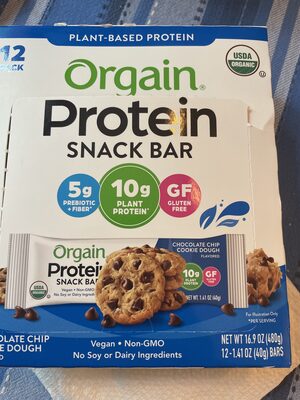 Orgain, Inc.
Chocolate Chip Cookie Dough Protein Snack Bars, Chocolate Chip Cookie Dough
375kcal
25Protein
12.5Fat
47.5Carbs
Orgain, Inc.
Chocolate Chip Cookie Dough Protein Snack Bars, Chocolate Chip Cookie Dough
375kcal
25Protein
12.5Fat
47.5Carbs
 Orgain, Inc.
Plant-Based Protein Snack Bars, Chocolate Fudge, Chocolate Fudge
375kcal
25Protein
12.5Fat
47.5Carbs
Nutrisystem, Inc.
Bars, Chocolate Peanut Butter
High in saturated fat — 22% DV per serving
400kcal
22Protein
16Fat
50Carbs
Orgain, Inc.
Chocolate Chip Cookie Dough Flavored Plant-Based Protein Snack Bar, Chocolate Chip Cookie Dough
375kcal
25Protein
12.5Fat
47.5Carbs
Nutrisystem, Inc.
Chocolate Peanut Butter Bar
High in saturated fat — 22% DV per serving
400kcal
22Protein
16Fat
50Carbs
MusclePharm Corp
Plant-Based Chocolate Toffee Organic Protein Bar, Chocolate Toffee
340kcal
30Protein
7Fat
50Carbs
Orgain, Inc.
S'Mores Protein 10G Snack Bar, S'Mores
375kcal
25Protein
12.5Fat
47.5Carbs
Orgain, Inc.
Peanut Butter Chocolate Chunk Protein Snack Bars, Peanut Butter Chocolate Chunk
375kcal
25Protein
12.5Fat
47.5Carbs
Orgain, Inc.
Peanut Butter Protein Snack Bars, Peanut Butter
375kcal
25Protein
15Fat
45Carbs
Orgain, Inc.
Plant-Based Protein Snack Bars, Chocolate Fudge, Chocolate Fudge
375kcal
25Protein
12.5Fat
47.5Carbs
Nutrisystem, Inc.
Bars, Chocolate Peanut Butter
High in saturated fat — 22% DV per serving
400kcal
22Protein
16Fat
50Carbs
Orgain, Inc.
Chocolate Chip Cookie Dough Flavored Plant-Based Protein Snack Bar, Chocolate Chip Cookie Dough
375kcal
25Protein
12.5Fat
47.5Carbs
Nutrisystem, Inc.
Chocolate Peanut Butter Bar
High in saturated fat — 22% DV per serving
400kcal
22Protein
16Fat
50Carbs
MusclePharm Corp
Plant-Based Chocolate Toffee Organic Protein Bar, Chocolate Toffee
340kcal
30Protein
7Fat
50Carbs
Orgain, Inc.
S'Mores Protein 10G Snack Bar, S'Mores
375kcal
25Protein
12.5Fat
47.5Carbs
Orgain, Inc.
Peanut Butter Chocolate Chunk Protein Snack Bars, Peanut Butter Chocolate Chunk
375kcal
25Protein
12.5Fat
47.5Carbs
Orgain, Inc.
Peanut Butter Protein Snack Bars, Peanut Butter
375kcal
25Protein
15Fat
45Carbs
Learn more
Auto-generated content. This description was generated automatically and is pending editorial review. Inaccuracies are possible. Found a mistake? Contact us.