Organic Mirin Wine
What is Organic Mirin Wine?
Mirin is a sweet rice wine used in Japanese cooking. It is made by fermenting glutinous rice, rice koji (a mold), and shochu (a distilled spirit) or sake. The fermentation process creates a sweet, mild alcohol content and a rich umami flavor.
Is Organic Mirin Wine vegan?
Organic Mirin Wine is not animal-derived. Products that contain it can still include other animal-derived ingredients, so check the full ingredient list.
Is Organic Mirin Wine gluten-free?
It does not contain gluten.
Is Organic Mirin Wine a major allergen?
Mirin is derived from rice, which is not one of the nine major allergens.
What is Organic Mirin Wine used for?
Mirin is primarily used as a sweetener and flavoring agent in Japanese cuisine.
Is Organic Mirin Wine safe?
Mirin is generally recognized as safe (GRAS) by the FDA for use in food.
Why it's used
Mirin is primarily used as a sweetener and flavoring agent in Japanese cuisine. It adds a subtle sweetness, gloss, and depth of flavor to dishes like teriyaki sauce, marinades, glazes, and simmered foods. It also helps to reduce fishy odors in seafood dishes.
Health notes
Mirin is generally recognized as safe (GRAS) by the FDA for use in food. It contains alcohol, but the amount is typically very low in finished dishes due to evaporation during cooking. The Joint FAO/WHO Expert Committee on Food Additives (JECFA) has evaluated mirin and its components. Evidence does not suggest adverse health effects at typical consumption levels.
Allergen info
Mirin is derived from rice, which is not one of the nine major allergens. It does not contain gluten.
Foods that contain Organic Mirin Wine
Compare products →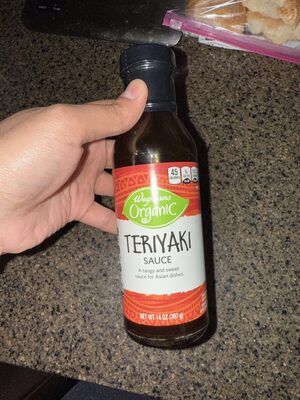 Wegmans Food Markets, Inc.
Organic Teriyaki Sauce
High in sodium — 22% DV per serving
118kcal
2.9Protein
0Fat
26.5Carbs
Wegmans Food Markets, Inc.
Organic Teriyaki Sauce
High in sodium — 22% DV per serving
118kcal
2.9Protein
0Fat
26.5Carbs
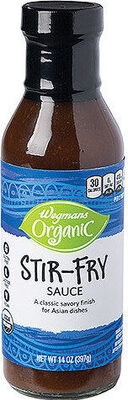 Wegmans Food Markets, Inc.
Stir-Fry Sauce, Stir-Fry
103kcal
2.9Protein
0Fat
23.5Carbs
Wegmans Food Markets, Inc.
Stir-Fry Sauce, Stir-Fry
103kcal
2.9Protein
0Fat
23.5Carbs
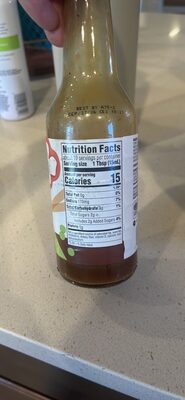 Whole Foods Market, Inc.
Stir Fry Organic Sauce,, Stir Fry
100kcal
0Protein
0Fat
20Carbs
Topco Associates, Inc.
General Tsos Sauce
117kcal
0Protein
3.3Fat
26.7Carbs
Wegmans Food Markets, Inc.
Organic Miso Ginger Vinaigrette, Miso Gingner
233kcal
3.3Protein
23.3Fat
10Carbs
Giant Eagle, Inc.
Organic Dressing, Miso Sesame Ginger
233kcal
3.3Protein
23.3Fat
10Carbs
Wegmans Food Markets, Inc.
Miso Ginger Vinaigrette, Miso Ginger
233kcal
3.3Protein
20Fat
10Carbs
Wegmans Food Markets, Inc.
Spring Mix, Almonds, Goji Berries, Carrots, With Organic Miso Ginger Vinaigrette Salad Kit, Ginger Almond
120kcal
3Protein
8Fat
7Carbs
Whole Foods Market, Inc.
Stir Fry Organic Sauce,, Stir Fry
100kcal
0Protein
0Fat
20Carbs
Topco Associates, Inc.
General Tsos Sauce
117kcal
0Protein
3.3Fat
26.7Carbs
Wegmans Food Markets, Inc.
Organic Miso Ginger Vinaigrette, Miso Gingner
233kcal
3.3Protein
23.3Fat
10Carbs
Giant Eagle, Inc.
Organic Dressing, Miso Sesame Ginger
233kcal
3.3Protein
23.3Fat
10Carbs
Wegmans Food Markets, Inc.
Miso Ginger Vinaigrette, Miso Ginger
233kcal
3.3Protein
20Fat
10Carbs
Wegmans Food Markets, Inc.
Spring Mix, Almonds, Goji Berries, Carrots, With Organic Miso Ginger Vinaigrette Salad Kit, Ginger Almond
120kcal
3Protein
8Fat
7Carbs
Learn more
Auto-generated content. This description was generated automatically and is pending editorial review. Inaccuracies are possible. Found a mistake? Contact us.