Organic Pitted Kalamata Olives
What is Organic Pitted Kalamata Olives?
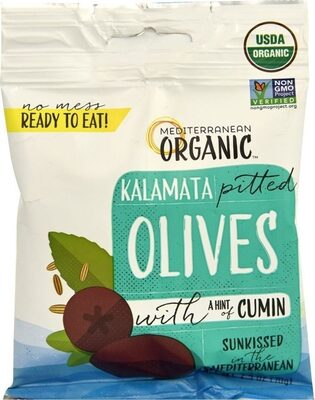
Kalamata olives are a type of olive named after the city of Kalamata in Greece, where they are traditionally grown. They are distinct for their dark purple color, almond shape, and fruity flavor. 'Pitted' means the hard inner seed has been removed, and 'organic' indicates they were grown without synthetic pesticides or fertilizers.
Is Organic Pitted Kalamata Olives vegan?
Organic Pitted Kalamata Olives is not animal-derived. Products that contain it can still include other animal-derived ingredients, so check the full ingredient list.
Is Organic Pitted Kalamata Olives a major allergen?
Not a major allergen.
What is Organic Pitted Kalamata Olives used for?
Kalamata olives are used to add a distinct savory, fruity, and slightly briny flavor to foods.
Is Organic Pitted Kalamata Olives safe?
As a whole food, Kalamata olives are not regulated by the FDA as an additive.
Why it's used
Kalamata olives are used to add a distinct savory, fruity, and slightly briny flavor to foods. They are a common ingredient in Mediterranean cuisine, often found in salads, pasta dishes, pizzas, and tapenades. They are also frequently enjoyed as a snack or appetizer.
Health notes
As a whole food, Kalamata olives are not regulated by the FDA as an additive. They are generally recognized as a healthy food, providing monounsaturated fats and antioxidants. There are no specific health controversies associated with Kalamata olives themselves when consumed as part of a typical diet.
Allergen info
Not a major allergen.
Foods that contain Organic Pitted Kalamata Olives
Compare products →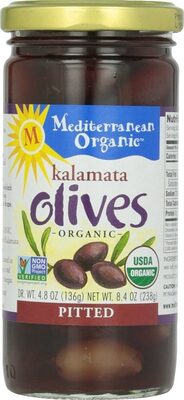
Auto-generated content. This description was generated automatically and is pending editorial review. Inaccuracies are possible. Found a mistake? Contact us.