Organic Sea Salt Caramel
What is Organic Sea Salt Caramel?
Organic Sea Salt Caramel is a flavor and ingredient made from caramelized sugar and sea salt, produced according to USDA organic standards. Caramel is created by heating various sugars until they brown and develop a distinct flavor, while sea salt is obtained through the evaporation of seawater.
Is Organic Sea Salt Caramel a major allergen?
Not a major allergen.
What is Organic Sea Salt Caramel used for?
It is primarily used to provide a sweet and salty flavor profile, often with a rich, buttery note.
Is Organic Sea Salt Caramel safe?
Both caramel (from sugar) and sea salt (sodium chloride) are generally recognized as safe (GRAS) by the FDA.
Why it's used
It is primarily used to provide a sweet and salty flavor profile, often with a rich, buttery note. This ingredient is commonly found in desserts, ice creams, frozen yogurts, candies, and beverages to enhance taste and sometimes color.
Health notes
Both caramel (from sugar) and sea salt (sodium chloride) are generally recognized as safe (GRAS) by the FDA. Excessive intake of added sugars, such as those in caramel, is not recommended by the Dietary Guidelines for Americans (2025-2030), which advises at most 10 grams of added sugars per meal. High intake of sodium from sea salt is associated with increased blood pressure; the FDA Daily Value for sodium is 2,300 mg. The 'organic' designation refers to the farming and processing methods and does not inherently change the nutritional or safety profile of the caramel or salt.
Allergen info
Not a major allergen. However, some caramel formulations may contain dairy, which is a major allergen.
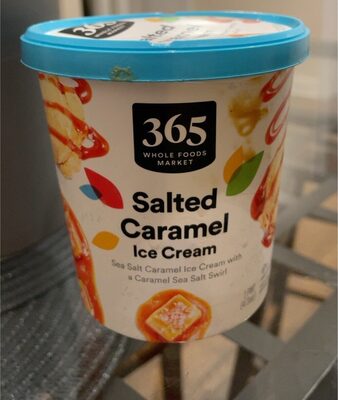
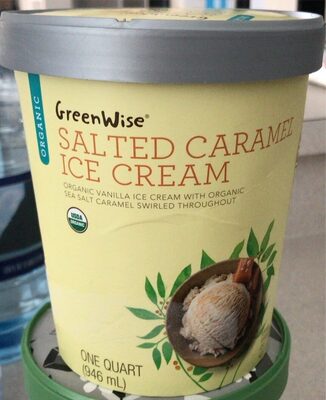
Foods that contain Organic Sea Salt Caramel
Compare products →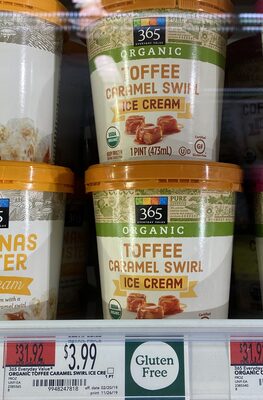
Learn more
Auto-generated content. This description was generated automatically and is pending editorial review. Inaccuracies are possible. Found a mistake? Contact us.