Organic Vermont Maple Sugar
What is Organic Vermont Maple Sugar?
Maple sugar is a sweetener made from the sap of maple trees, primarily sugar maple, red maple, and black maple. The sap is boiled to evaporate most of the water, concentrating the sugars. It is then further processed and crystallized into a granular sugar.
Is Organic Vermont Maple Sugar vegan?
Organic Vermont Maple Sugar is not animal-derived. Products that contain it can still include other animal-derived ingredients, so check the full ingredient list.
Is Organic Vermont Maple Sugar a major allergen?
Not a major allergen.
What is Organic Vermont Maple Sugar used for?
Manufacturers add maple sugar primarily as a sweetener and flavor enhancer.
Is Organic Vermont Maple Sugar safe?
Maple sugar is recognized as safe (GRAS) by the FDA for use as a sweetener.
Why it's used
Manufacturers add maple sugar primarily as a sweetener and flavor enhancer. Its distinct maple taste makes it popular in baked goods, confections, breakfast foods like pancakes and waffles, and as a topping for desserts. It can also be found in some savory applications like marinades and rubs.
Health notes
Maple sugar is recognized as safe (GRAS) by the FDA for use as a sweetener. It is a source of carbohydrates and contains small amounts of minerals like manganese and zinc. Like other sugars, excessive consumption can contribute to health issues associated with high sugar intake. The WHO recommends limiting intake of free sugars, including maple sugar, to less than 10% of daily energy intake.
Allergen info
Not a major allergen.
Foods that contain Organic Vermont Maple Sugar
Compare products →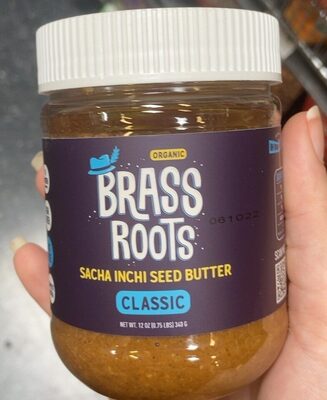 A&C Snacks LLC
Classic Organic Sacha Inchi Seed Butter, Classic
500kcal
28.1Protein
43.8Fat
28.1Carbs
A&C Snacks LLC
Classic Organic Sacha Inchi Seed Butter, Classic
500kcal
28.1Protein
43.8Fat
28.1Carbs
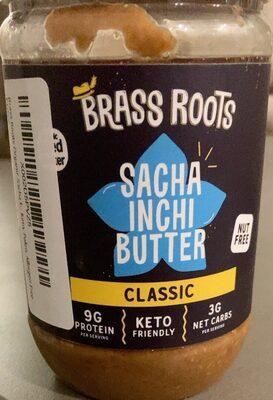 A&C Snacks LLC
Classic Organic Sacha Inchi Seed Butter, Classic
500kcal
28.1Protein
43.8Fat
28.1Carbs
Wind & Willow, Inc.
Maple And Onion Dip & Spread Mix, Maple And Onion
375kcal
0Protein
0Fat
75Carbs
A&C Snacks LLC
Classic Organic Sacha Inchi Seed Butter, Classic
500kcal
28.1Protein
43.8Fat
28.1Carbs
Wind & Willow, Inc.
Maple And Onion Dip & Spread Mix, Maple And Onion
375kcal
0Protein
0Fat
75Carbs
Learn more
Auto-generated content. This description was generated automatically and is pending editorial review. Inaccuracies are possible. Found a mistake? Contact us.