Organic Wheatgrass Juice
Auto-generated content. This description was generated automatically and is pending editorial review. Inaccuracies are possible. Found a mistake? Contact us.
What it is
Organic wheatgrass juice is made from the young shoots of the common wheat plant (Triticum aestivum) grown organically. The shoots are harvested when they are young and tender, then juiced. The juice is typically filtered and may be pasteurized or flash-frozen to preserve freshness.
Why it's used
Manufacturers add organic wheatgrass juice primarily for its vibrant green color and its nutritional profile, often marketed as a health-boosting ingredient. It is commonly found in fruit and vegetable juices, smoothies, and other beverages where a natural green hue and a 'superfood' claim are desired.
Health notes
Organic wheatgrass juice is generally recognized as safe (GRAS) by the FDA when used as a food ingredient. It is a source of vitamins and minerals. JECFA has evaluated wheatgrass and did not set a numeric limit (ADI not specified). There is ongoing research into the potential health benefits of wheatgrass, but claims of specific disease prevention or treatment are not supported by robust scientific consensus.
Allergen info
Wheatgrass is derived from wheat, which is one of the 9 FDA major allergens. Therefore, it is not suitable for individuals with wheat allergies. It contains gluten.
Products containing Organic Wheatgrass Juice
Compare products →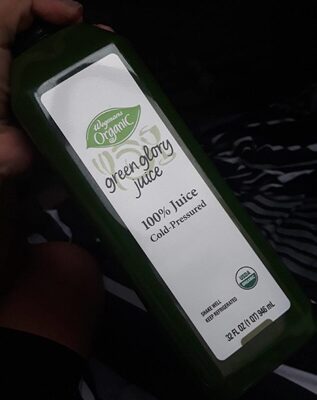 Wegmans Food Markets, Inc.
Green Glory Juice, Green Glory
42kcal
0.8Protein
0Fat
9.2Carbs
Wegmans Food Markets, Inc.
Juice Boost Wheatgrass
42kcal
1.7Protein
0Fat
8.5Carbs
Wegmans Food Markets, Inc.
Green Glory 100% Juice, Green Glory
40kcal
0.9Protein
0.1Fat
9.1Carbs
Wegmans Food Markets, Inc.
Green Glory Cold Pressured Juice Blend, Green Glory
42kcal
0.8Protein
0Fat
9.2Carbs
Wegmans Food Markets, Inc.
Organic Wheatgrass Cold-Pressured Juice Boost
42kcal
1.7Protein
0Fat
8.5Carbs
Wegmans Food Markets, Inc.
Green Glory Juice, Green Glory
42kcal
0.8Protein
0Fat
9.2Carbs
Wegmans Food Markets, Inc.
Juice Boost Wheatgrass
42kcal
1.7Protein
0Fat
8.5Carbs
Wegmans Food Markets, Inc.
Green Glory 100% Juice, Green Glory
40kcal
0.9Protein
0.1Fat
9.1Carbs
Wegmans Food Markets, Inc.
Green Glory Cold Pressured Juice Blend, Green Glory
42kcal
0.8Protein
0Fat
9.2Carbs
Wegmans Food Markets, Inc.
Organic Wheatgrass Cold-Pressured Juice Boost
42kcal
1.7Protein
0Fat
8.5Carbs