Organic White Tea Solids
Auto-generated content. This description was generated automatically and is pending editorial review. Inaccuracies are possible. Found a mistake? Contact us.
What it is
Organic white tea solids are a concentrated form of white tea, made from the young leaves and buds of the Camellia sinensis plant. The leaves are minimally processed, typically withered and dried, to preserve their delicate flavor and natural compounds. This process results in a powder or granular form that retains the essence of brewed white tea.
Why it's used
Manufacturers use organic white tea solids to impart a subtle, slightly sweet, and floral flavor to beverages and foods. They are often found in iced teas, flavored waters, and fruit juices, adding a natural tea taste and perceived health benefits. Their use can also contribute to the color and complexity of the final product.
Health notes
Organic white tea solids are generally recognized as safe (GRAS) by the FDA for use in food. White tea contains antioxidants, such as polyphenols, which are compounds studied for their potential health effects. Regulatory bodies like EFSA have evaluated tea and its components, but specific ADIs for white tea solids are not typically set. Research on the health impacts of tea consumption is ongoing, with some studies suggesting benefits related to heart health and cellular protection, while others indicate potential interference with iron absorption.
Allergen info
White tea is derived from the Camellia sinensis plant and is not one of the FDA's 9 major allergens. It does not contain gluten.
Products containing Organic White Tea Solids
Compare products →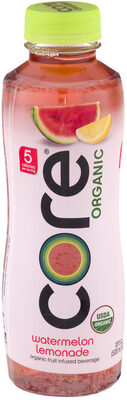 Core Nutrition, LLC
Core Organic, Organic Fruit Infused Beverage With Antioxidants, Watermelon Lemonade, Watermelon Lemonade
2kcal
0Protein
0Fat
0.4Carbs
Core Nutrition, LLC
Organic Fruit Infused Beverage, Peach Mango
2kcal
0Protein
0Fat
0.4Carbs
Ahold USA, Inc.
Ahold, Nature's Promise, Organic Tea, Peach Chamomile, Peach Chamomile
17kcal
0Protein
0Fat
4.2Carbs
Core Nutrition, LLC
Core, Organic Fruit Infused Beverage, Pomegranate Blue Acai, Pomegranate Blue Acai
2kcal
0Protein
0Fat
0.4Carbs
Core Nutrition, LLC
Organic Fruit Infused Beverage With Antioxidants, Clementine
2kcal
0Protein
0Fat
0.4Carbs
Ahold USA, Inc.
Organic White Tea With Raspberry With Nautural Flavors
High in added sugars — 40% DV per serving
17kcal
0Protein
0Fat
4.2Carbs
Core Nutrition, LLC
Core Organic, Organic Fruit Infused Beverage With Antioxidants, Watermelon Lemonade, Watermelon Lemonade
2kcal
0Protein
0Fat
0.4Carbs
Core Nutrition, LLC
Organic Fruit Infused Beverage, Peach Mango
2kcal
0Protein
0Fat
0.4Carbs
Ahold USA, Inc.
Ahold, Nature's Promise, Organic Tea, Peach Chamomile, Peach Chamomile
17kcal
0Protein
0Fat
4.2Carbs
Core Nutrition, LLC
Core, Organic Fruit Infused Beverage, Pomegranate Blue Acai, Pomegranate Blue Acai
2kcal
0Protein
0Fat
0.4Carbs
Core Nutrition, LLC
Organic Fruit Infused Beverage With Antioxidants, Clementine
2kcal
0Protein
0Fat
0.4Carbs
Ahold USA, Inc.
Organic White Tea With Raspberry With Nautural Flavors
High in added sugars — 40% DV per serving
17kcal
0Protein
0Fat
4.2Carbs