Organic Yeast Autolysate
What is Organic Yeast Autolysate?
Yeast autolysate is made by breaking down yeast cells to release their natural contents. For organic yeast autolysate, this process starts with yeast grown under organic conditions. The yeast cells are then treated to release enzymes that break down the cell walls and contents, creating a rich, savory liquid or powder.
Is Organic Yeast Autolysate vegan?
Organic Yeast Autolysate is not animal-derived. Products that contain it can still include other animal-derived ingredients, so check the full ingredient list.
Is Organic Yeast Autolysate gluten-free?
It does not contain gluten, as yeast itself is a fungus and not a grain.
Is Organic Yeast Autolysate a major allergen?
Yeast autolysate is not derived from any of the nine major FDA allergens.
What is Organic Yeast Autolysate used for?
Manufacturers add yeast autolysate to foods to enhance savory, umami flavors.
Is Organic Yeast Autolysate safe?
Yeast autolysate is generally recognized as safe (GRAS) by the FDA for use in food.
Why it's used
Manufacturers add yeast autolysate to foods to enhance savory, umami flavors. It acts as a natural flavor enhancer and can also contribute to a richer mouthfeel. It is commonly found in seasoning mixes, sauces, meat alternatives, and snack foods.
Health notes
Yeast autolysate is generally recognized as safe (GRAS) by the FDA for use in food. It is a source of amino acids and B vitamins. International bodies like JECFA have evaluated yeast and yeast extracts, generally finding them safe for consumption. No specific health concerns are associated with its typical use in food.
Allergen info
Yeast autolysate is not derived from any of the nine major FDA allergens. It does not contain gluten, as yeast itself is a fungus and not a grain.
Foods that contain Organic Yeast Autolysate
Compare products →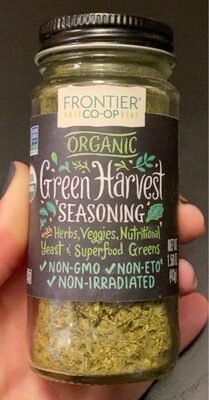 Frontier Cooperative Herbs
Green Harvest Seasoning With Herbs, Veggies, Nutritional Yeast & Superfood Greens, Green Harvest
0kcal
0Protein
0Fat
0Carbs
Allegro Coffee Company
Tofu Scramble Cooking Organic Seasoning, Tofu Scramble
0kcal
0Protein
0Fat
100Carbs
Hudson Green Foods LLC
Organic Bolognese Meatless & Chunky Sauce, Bolognese
62kcal
1.8Protein
3.1Fat
7.1Carbs
Frontier Cooperative Herbs
Green Harvest Seasoning With Herbs, Veggies, Nutritional Yeast & Superfood Greens, Green Harvest
0kcal
0Protein
0Fat
0Carbs
Allegro Coffee Company
Tofu Scramble Cooking Organic Seasoning, Tofu Scramble
0kcal
0Protein
0Fat
100Carbs
Hudson Green Foods LLC
Organic Bolognese Meatless & Chunky Sauce, Bolognese
62kcal
1.8Protein
3.1Fat
7.1Carbs
Learn more
Auto-generated content. This description was generated automatically and is pending editorial review. Inaccuracies are possible. Found a mistake? Contact us.