Paprika Beta Carotene
What is Paprika Beta Carotene?
Paprika beta-carotene is a coloring agent made from beta-carotene, a compound found naturally in paprika peppers and other colorful fruits and vegetables. It is often produced commercially through chemical synthesis or extracted from natural sources like algae or plants. This vibrant orange-red colorant is used to enhance the visual appeal of foods.
Is Paprika Beta Carotene vegan?
Paprika Beta Carotene is not animal-derived. Products that contain it can still include other animal-derived ingredients, so check the full ingredient list.
Is Paprika Beta Carotene a major allergen?
Not a major allergen.
What is Paprika Beta Carotene used for?
Manufacturers add paprika beta-carotene primarily for its coloring properties, providing an orange-red hue to a variety of foods.
Is Paprika Beta Carotene safe?
Beta-carotene is generally recognized as safe (GRAS) by the FDA for use as a food colorant.
Why it's used
Manufacturers add paprika beta-carotene primarily for its coloring properties, providing an orange-red hue to a variety of foods. It is commonly found in baked goods like cakes and cupcakes, as well as snacks such as popcorn and seasoned nuts. It can also be used in processed meats like pepperoni and salami.
Health notes
Beta-carotene is generally recognized as safe (GRAS) by the FDA for use as a food colorant. It is a precursor to Vitamin A, which is essential for vision, immune function, and skin health. Regulatory bodies like JECFA and EFSA have evaluated beta-carotene, and it is widely permitted as a food additive globally. High intakes of beta-carotene from food sources are not associated with adverse health effects, and it is considered safe at typical dietary levels.
Allergen info
Not a major allergen.
Foods that contain Paprika Beta Carotene
Compare products →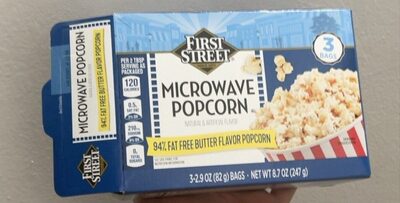 Smart & Final Iris Corporation
Butter 94% Fat Free Microwave Popcorn, Butter
364kcal
9.1Protein
6.1Fat
69.7Carbs
Saker ShopRites, Inc.
Apple Coffee Cake Strip, Apple Coffee Cake
236kcal
3.6Protein
12.7Fat
30.9Carbs
Ameripack Foods LLC
Three Cheese Stuffed Chicken Breast, Wrapped In Bacon, Three Cheese
High in sodium — 65% DV per serving
High in saturated fat — 95% DV per serving
High in cholesterol — 35% DV per serving
260kcal
23.4Protein
17.6Fat
3.1Carbs
Smart & Final Iris Corporation
Butter 94% Fat Free Microwave Popcorn, Butter
364kcal
9.1Protein
6.1Fat
69.7Carbs
Saker ShopRites, Inc.
Apple Coffee Cake Strip, Apple Coffee Cake
236kcal
3.6Protein
12.7Fat
30.9Carbs
Ameripack Foods LLC
Three Cheese Stuffed Chicken Breast, Wrapped In Bacon, Three Cheese
High in sodium — 65% DV per serving
High in saturated fat — 95% DV per serving
High in cholesterol — 35% DV per serving
260kcal
23.4Protein
17.6Fat
3.1Carbs
Learn more
Auto-generated content. This description was generated automatically and is pending editorial review. Inaccuracies are possible. Found a mistake? Contact us.