Paprika Oleoresin And Less Than 2% Silicon Dioxide
What is Paprika Oleoresin And Less Than 2% Silicon Dioxide?
Paprika oleoresin is a red food coloring derived from paprika peppers. It is produced by extracting the coloring compounds from the peppers using a solvent, then removing the solvent. Silicon dioxide is a form of silica, a mineral, and is often added in small amounts to prevent clumping.
Is Paprika Oleoresin And Less Than 2% Silicon Dioxide vegan?
Paprika Oleoresin And Less Than 2% Silicon Dioxide is not animal-derived. Products that contain it can still include other animal-derived ingredients, so check the full ingredient list.
Is Paprika Oleoresin And Less Than 2% Silicon Dioxide a major allergen?
Paprika oleoresin is derived from peppers, which are not among the nine major allergens.
What is Paprika Oleoresin And Less Than 2% Silicon Dioxide used for?
Paprika oleoresin is used to add a red to orange color to foods.
Is Paprika Oleoresin And Less Than 2% Silicon Dioxide safe?
Paprika oleoresin is generally recognized as safe (GRAS) by the FDA for use as a food coloring.
Why it's used
Paprika oleoresin is used to add a red to orange color to foods. It is commonly found in processed cheeses, sauces, snacks, and meat products. Silicon dioxide is used as an anti-caking agent, helping to keep powdered ingredients free-flowing.
Health notes
Paprika oleoresin is generally recognized as safe (GRAS) by the FDA for use as a food coloring. Silicon dioxide is also GRAS by the FDA. Both are widely used in the food supply. No specific health concerns are associated with the typical consumption levels of these ingredients.
Allergen info
Paprika oleoresin is derived from peppers, which are not among the nine major allergens. Silicon dioxide is a mineral and not an allergen. Not a major allergen.
Foods that contain Paprika Oleoresin And Less Than 2% Silicon Dioxide
Compare products →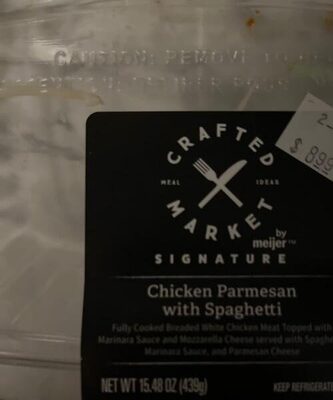
Learn more
Auto-generated content. This description was generated automatically and is pending editorial review. Inaccuracies are possible. Found a mistake? Contact us.