Parika
What is Parika?
Paprika is a spice made from dried, ground red peppers, typically varieties of *Capsicum annuum*. It can range in flavor from sweet and mild to hot and pungent, depending on the pepper used. The spice is used globally for its vibrant color and distinct taste.
Is Parika vegan?
Parika is not animal-derived. Products that contain it can still include other animal-derived ingredients, so check the full ingredient list.
Is Parika gluten-free?
Paprika is not derived from any of the 9 major allergens and does not contain gluten.
What is Parika used for?
Paprika is primarily used to add color and flavor to foods.
Is Parika safe?
Paprika is generally recognized as safe (GRAS) by the FDA for use as a food ingredient.
Why it's used
Paprika is primarily used to add color and flavor to foods. It imparts a warm, slightly sweet, and sometimes spicy taste. Manufacturers often add it to processed meats like sausages and deli items, as well as in spice blends, sauces, and marinades.
Health notes
Paprika is generally recognized as safe (GRAS) by the FDA for use as a food ingredient. It contains vitamins and antioxidants, like Vitamin A and capsaicin. Regulatory bodies like JECFA have evaluated paprika and its extracts, and it is widely consumed without adverse health effects at typical dietary levels. No significant controversies exist regarding its use.
Allergen info
Paprika is not derived from any of the 9 major allergens and does not contain gluten.
Foods that contain Parika
Compare products →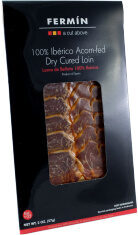 Fancy Nancy Dist., Inc.
Fermin, 100% Lberico Lomo De Bellota Dry Cured Loin
500kcal
32.1Protein
25Fat
0Carbs
Verde Farms, LLC
Hatch Chile & Cheddar Beef Sausage, Hatch Chile & Cheddar
High in sodium — 29% DV per serving
High in saturated fat — 40% DV per serving
274kcal
15.5Protein
21.4Fat
1.2Carbs
CIY Foods Inc
Chef Donny Sirisavath's Lemongrass Pork And Rice Noodle Bowls (Mee Katee) Meal Kit, Chef Donny Sirisavath's Lemongrass Pork And Rice Noodle Bowls (Mee Katee)
High in sodium — 64% DV per serving
High in saturated fat — 65% DV per serving
High in cholesterol — 30% DV per serving
175kcal
10.7Protein
5.9Fat
18.2Carbs
Fancy Nancy Dist., Inc.
Fermin, 100% Lberico Lomo De Bellota Dry Cured Loin
500kcal
32.1Protein
25Fat
0Carbs
Verde Farms, LLC
Hatch Chile & Cheddar Beef Sausage, Hatch Chile & Cheddar
High in sodium — 29% DV per serving
High in saturated fat — 40% DV per serving
274kcal
15.5Protein
21.4Fat
1.2Carbs
CIY Foods Inc
Chef Donny Sirisavath's Lemongrass Pork And Rice Noodle Bowls (Mee Katee) Meal Kit, Chef Donny Sirisavath's Lemongrass Pork And Rice Noodle Bowls (Mee Katee)
High in sodium — 64% DV per serving
High in saturated fat — 65% DV per serving
High in cholesterol — 30% DV per serving
175kcal
10.7Protein
5.9Fat
18.2Carbs
Learn more
Auto-generated content. This description was generated automatically and is pending editorial review. Inaccuracies are possible. Found a mistake? Contact us.