Pasteurized Milk Culture
Auto-generated content. This description was generated automatically and is pending editorial review. Inaccuracies are possible. Found a mistake? Contact us.
What it is
Pasteurized milk culture is a starter culture made from beneficial bacteria that are added to milk. These bacteria are grown in a controlled environment and then added to milk to begin the fermentation process, which is essential for making many dairy products.
Why it's used
Manufacturers use pasteurized milk culture to help produce the characteristic flavors and textures of products like cheese, yogurt, and sour cream. It acts as a flavor enhancer and aids in the fermentation process that transforms milk into these familiar foods.
Health notes
In the United States, pasteurized milk culture is generally recognized as safe (GRAS) by the FDA. It is a natural component of many fermented dairy foods and is not associated with adverse health effects when consumed as part of a typical diet. International bodies like JECFA and EFSA have also evaluated starter cultures, recognizing their role in food production.
Allergen info
Pasteurized milk culture is derived from milk, which is one of the 9 major allergens recognized by the FDA.
Products containing Pasteurized Milk Culture
Compare products →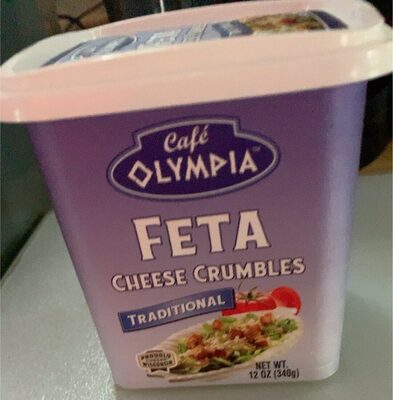 Nasonville Dairy, Inc.
Feta Cheese Crumbles, Feta
250kcal
14.3Protein
21.4Fat
3.6Carbs
Nasonville Dairy, Inc.
Feta Cheese Crumbles, Feta
250kcal
14.3Protein
21.4Fat
3.6Carbs
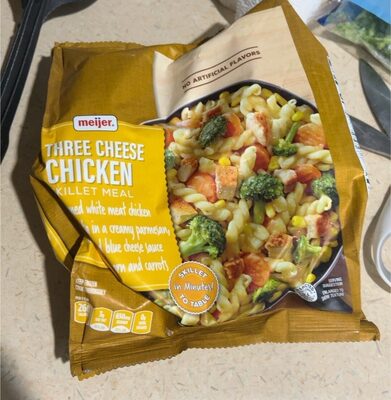 Meijer, Inc.
Three Cheese Chicken Pasta, Broccoli, Carrots & Corn In A Creamy Parmesan, Cheddar And Blue Cheese Sauce Skillet Meal, Three Cheese Chicken
High in sodium — 28% DV per serving
131kcal
7.1Protein
4.0Fat
16.2Carbs
Meijer, Inc.
Three Cheese Chicken Pasta, Broccoli, Carrots & Corn In A Creamy Parmesan, Cheddar And Blue Cheese Sauce Skillet Meal, Three Cheese Chicken
High in sodium — 28% DV per serving
131kcal
7.1Protein
4.0Fat
16.2Carbs