Riboflavin
What is Riboflavin?
Riboflavin, also known as Vitamin B2, is a water-soluble vitamin essential for human health. It is found naturally in foods such as milk, eggs, meat, and leafy green vegetables. It can also be produced synthetically for use in fortified foods.
Is Riboflavin a major allergen?
Not a major allergen.
What is Riboflavin used for?
Manufacturers add riboflavin to foods primarily as a nutrient to fortify products with Vitamin B2, supporting overall health.
Is Riboflavin safe?
Riboflavin is an essential nutrient that the body needs for energy production and cell growth.
Why it's used
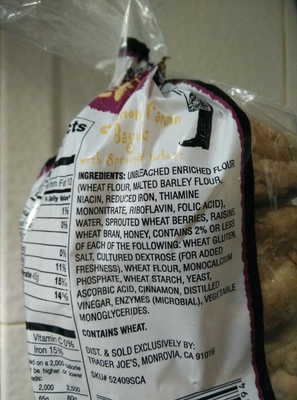
Manufacturers add riboflavin to foods primarily as a nutrient to fortify products with Vitamin B2, supporting overall health. It can also be used as a yellow food coloring. It is commonly found in fortified cereals, bread, pasta, and dairy products.
Health notes
Riboflavin is an essential nutrient that the body needs for energy production and cell growth. The FDA recognizes riboflavin as generally recognized as safe (GRAS) when used as a nutrient and also permits its use as a color additive. JECFA has evaluated riboflavin and did not set a numeric acceptable daily intake (ADI not specified), concluding that it is not appropriate to set an ADI for substances that are normally consumed as essential nutrients. EFSA has also evaluated riboflavin and considers it safe. There are no notable controversies regarding its safety at typical intake levels.
Allergen info
Not a major allergen.
Foods that contain Riboflavin
Compare products →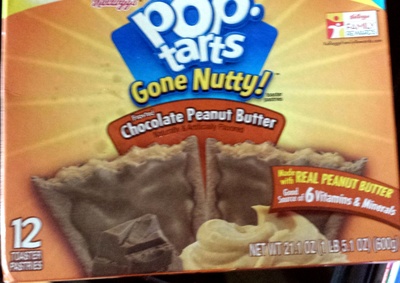 Kellogg Company US
Kellogg Pop-Tarts Chocolate Peanut Butter 21.1Oz
—kcal
4.8Protein
10Fat
72.3Carbs

Learn more
Auto-generated content. This description was generated automatically and is pending editorial review. Inaccuracies are possible. Found a mistake? Contact us.