Pasteurized Nonfat Milk And Cream
Auto-generated content. This description was generated automatically and is pending editorial review. Inaccuracies are possible. Found a mistake? Contact us.
What it is
Pasteurized nonfat milk and cream is a dairy product made from milk that has had its fat removed and then had cream added back. Pasteurization is a process of heating milk to a specific temperature for a set period to kill harmful bacteria. This process ensures the safety and extends the shelf life of the dairy components.
Why it's used
Manufacturers use pasteurized nonfat milk and cream to add richness, flavor, and a creamy texture to a wide variety of foods. It is commonly found in dairy products like yogurt and cheese, as well as in baked goods such as croissants and sweet rolls, and in processed items like pickles and relishes.
Health notes
Pasteurized nonfat milk and cream is a common food ingredient and is generally recognized as safe (GRAS) by the FDA when used as intended. It is a source of protein and calcium. Regulatory bodies like the WHO/FAO Joint Expert Committee on Food Additives (JECFA) and the European Food Safety Authority (EFSA) have evaluated dairy components. Typical consumption as part of a balanced diet is not associated with adverse health effects.
Allergen info
Pasteurized nonfat milk and cream is derived from milk, which is one of the 9 FDA major allergens. It does not contain gluten.
Products containing Pasteurized Nonfat Milk And Cream
Compare products →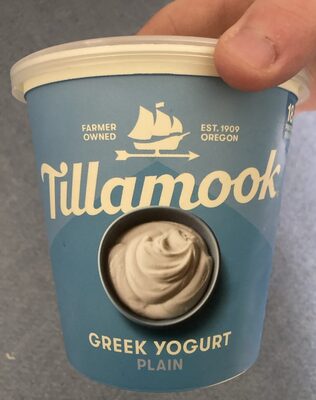 Tillamook County Creamery Association
Plain & Simple Greek Yogurt, Plain & Simple
82kcal
10.6Protein
2.4Fat
3.5Carbs
Tillamook County Creamery Association
Old-Fashioned Vanilla Lowfat Greek Yogurt, Vanilla
High in added sugars — 22% DV per serving
100kcal
9.4Protein
2.1Fat
11.2Carbs
Glencourt Inc.
Organic Santa Fe Style Salad With Chicken Romaine Lettuce, Southwest Ranch Dressing, Chicken Meat, Monterey Jack Cheese, Corn, Black Beans, Yellow And Blue Tortilla Strips, Carrots, Santa Fe Style Salad With Chicken
High in sodium — 24% DV per serving
High in saturated fat — 23% DV per serving
141kcal
5.8Protein
9.9Fat
7.8Carbs
Tillamook County Creamery Association
Plain & Simple Greek Yogurt, Plain & Simple
82kcal
10.6Protein
2.4Fat
3.5Carbs
Tillamook County Creamery Association
Old-Fashioned Vanilla Lowfat Greek Yogurt, Vanilla
High in added sugars — 22% DV per serving
100kcal
9.4Protein
2.1Fat
11.2Carbs
Glencourt Inc.
Organic Santa Fe Style Salad With Chicken Romaine Lettuce, Southwest Ranch Dressing, Chicken Meat, Monterey Jack Cheese, Corn, Black Beans, Yellow And Blue Tortilla Strips, Carrots, Santa Fe Style Salad With Chicken
High in sodium — 24% DV per serving
High in saturated fat — 23% DV per serving
141kcal
5.8Protein
9.9Fat
7.8Carbs