Penicillum Roquefort
What is Penicillum Roquefort?
Penicillium roqueforti is a type of mold used to make blue cheese. It is a natural mold that grows on rye bread and is then added to cheese curds. The mold gives blue cheese its characteristic sharp flavor and blue-green veins.
Is Penicillum Roquefort a major allergen?
Penicillium roqueforti itself is not a major allergen.
What is Penicillum Roquefort used for?
This mold is primarily used to impart a distinct flavor and aroma to cheeses, especially blue cheeses like Roquefort and Gorgonzola.
Is Penicillum Roquefort safe?
Penicillium roqueforti is generally recognized as safe (GRAS) by the FDA when used as a food ingredient.
Why it's used
This mold is primarily used to impart a distinct flavor and aroma to cheeses, especially blue cheeses like Roquefort and Gorgonzola. It is the key ingredient responsible for the unique taste and appearance of these cheeses, making them popular in various dishes and as standalone snacks.
Health notes
Penicillium roqueforti is generally recognized as safe (GRAS) by the FDA when used as a food ingredient. It is a natural component of many fermented foods and is consumed widely without reported adverse health effects at typical intake levels. International bodies like EFSA have also evaluated molds used in food production. There are no widespread controversies or significant health concerns associated with its consumption in cheese.
Allergen info
Penicillium roqueforti itself is not a major allergen. However, it is used to make blue cheese, which is derived from milk. Therefore, it is a dairy product and may be a concern for individuals with milk allergies.
Foods that contain Penicillum Roquefort
Compare products →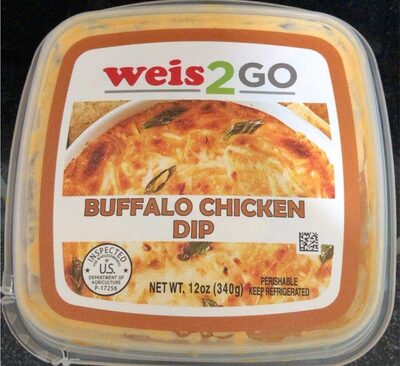 Weis Markets, Inc.
Buffalo Chicken Dip, Buffalo Chicken
High in sodium — 20% DV per serving
High in saturated fat — 20% DV per serving
250kcal
7.5Protein
22.5Fat
7.5Carbs
American Specialty Mfg. Co Inc
Mild Gourmet After-Sauce, Mild Gourmet After-Sauce
138kcal
3.5Protein
1.7Fat
34.5Carbs
Publix Super Markets, Inc.
Cracked Black Pepper With Blue Cheese Smoked Pork & Beef Sausage, Cracked Black Pepper With Blue Cheese Smoked Pork & Beef
High in sodium — 34% DV per serving
High in saturated fat — 45% DV per serving
High in cholesterol — 22% DV per serving
329kcal
16.5Protein
28.2Fat
2.4Carbs
Weis Markets, Inc.
Buffalo Chicken Dip, Buffalo Chicken
High in sodium — 20% DV per serving
High in saturated fat — 20% DV per serving
250kcal
7.5Protein
22.5Fat
7.5Carbs
American Specialty Mfg. Co Inc
Mild Gourmet After-Sauce, Mild Gourmet After-Sauce
138kcal
3.5Protein
1.7Fat
34.5Carbs
Publix Super Markets, Inc.
Cracked Black Pepper With Blue Cheese Smoked Pork & Beef Sausage, Cracked Black Pepper With Blue Cheese Smoked Pork & Beef
High in sodium — 34% DV per serving
High in saturated fat — 45% DV per serving
High in cholesterol — 22% DV per serving
329kcal
16.5Protein
28.2Fat
2.4Carbs
Learn more
Auto-generated content. This description was generated automatically and is pending editorial review. Inaccuracies are possible. Found a mistake? Contact us.