Phenyletonurics: Contains Phenylalanine
Auto-generated content. This description was generated automatically and is pending editorial review. Inaccuracies are possible. Found a mistake? Contact us.
What it is
Phenylalanine is an essential amino acid, meaning the body cannot make it and it must be obtained from food. It is one of the 20 amino acids that make up proteins. Phenylalanine is found naturally in many protein-rich foods like meat, fish, eggs, and dairy.
Why it's used
Phenylalanine is not typically added as an ingredient for its functional properties. However, it is a component of the artificial sweetener aspartame. Foods containing aspartame, such as diet sodas and sugar-free products, will list phenylalanine as an ingredient.
Health notes
Phenylalanine is a naturally occurring amino acid. For individuals with the rare genetic disorder phenylketonuria (PKU), phenylalanine cannot be properly metabolized, leading to harmful buildup. Products containing aspartame are required to carry a warning label for individuals with PKU. The FDA has evaluated aspartame and its components, including phenylalanine, for safety. International bodies like JECFA have also assessed aspartame.
Allergen info
Phenylalanine is not a major allergen. It is not derived from milk, egg, fish, shellfish, tree nuts, peanuts, wheat, soy, or sesame. It does not contain gluten.
Products containing Phenyletonurics: Contains Phenylalanine
Compare products →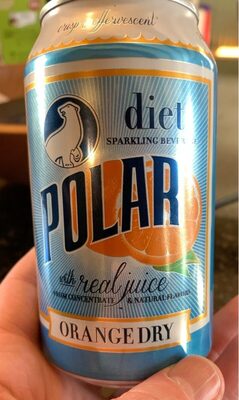 POLAR BEVERAGES
12Oz 6Pk Cans Diet Orange Dry
4kcal
0Protein
0Fat
0.8Carbs
POLAR BEVERAGES
12Oz 6Pk Cans Diet Orange Dry
4kcal
0Protein
0Fat
0.8Carbs
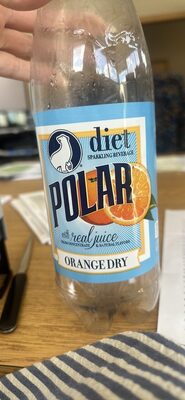 POLAR BEVERAGES
1L Bottle Diet Orange Dry
6kcal
0Protein
0Fat
1.4Carbs
POLAR BEVERAGES
2L Bottle Diet Orange Dry
6kcal
0Protein
0Fat
1.4Carbs
POLAR BEVERAGES
20Oz Bottle Diet Orange Dry
6kcal
0.2Protein
0Fat
1.2Carbs
POLAR BEVERAGES
12Oz Can Diet Orange Dry
4kcal
0Protein
0Fat
0.8Carbs
POLAR BEVERAGES
1L Bottle Diet Orange Dry
6kcal
0Protein
0Fat
1.4Carbs
POLAR BEVERAGES
2L Bottle Diet Orange Dry
6kcal
0Protein
0Fat
1.4Carbs
POLAR BEVERAGES
20Oz Bottle Diet Orange Dry
6kcal
0.2Protein
0Fat
1.2Carbs
POLAR BEVERAGES
12Oz Can Diet Orange Dry
4kcal
0Protein
0Fat
0.8Carbs