Aspartame
Auto-generated content. This description was generated automatically and is pending editorial review. Inaccuracies are possible. Found a mistake? Contact us.
What it is
Aspartame is an artificial, low-calorie sweetener. It is made by combining two amino acids, aspartic acid and phenylalanine, which are naturally found in protein-rich foods.
Why it's used
Manufacturers add aspartame to foods and beverages to provide sweetness without the calories of sugar. It is commonly found in diet sodas, sugar-free chewing gum, low-calorie desserts, and powdered drink mixes.
Health notes
The FDA has approved aspartame as a food additive. Both the Joint FAO/WHO Expert Committee on Food Additives (JECFA) and the European Food Safety Authority (EFSA) have evaluated aspartame and set an acceptable daily intake. In 2023, the International Agency for Research on Cancer (IARC) classified aspartame as possibly carcinogenic to humans (Group 2B), while JECFA maintained its existing acceptable daily intake, stating that the evidence for a link to cancer in humans is not convincing. Aspartame is considered safe for most people at typical intake levels, but individuals with the rare genetic disorder phenylketonuria (PKU) must avoid it due to its phenylalanine content.
Allergen info
Not a major allergen. However, it contains phenylalanine, which is a concern for individuals with phenylketonuria (PKU).
Products containing Aspartame
Compare products →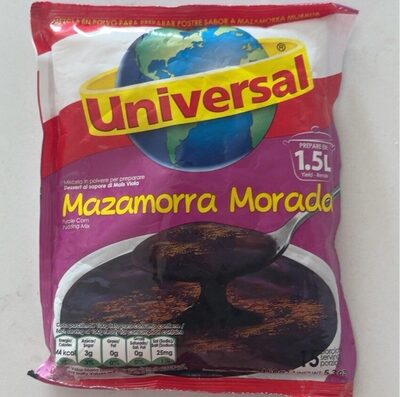 UNIVERSAL
Purple Corn Pudding Mix
374kcal
0Protein
0Fat
93.5Carbs
CRYSTAL LIGHT
Drink Mix
312kcal
0Protein
0Fat
0Carbs
DUBBLE BUBBLE
Sugar Free Bubble Gum
111kcal
0Protein
0Fat
66.7Carbs
Associated Wholesale Grocers, Inc.
Best Choice, Diet Orange Soda, Orange
0kcal
0Protein
0Fat
0Carbs
UNIVERSAL
Purple Corn Pudding Mix
374kcal
0Protein
0Fat
93.5Carbs
CRYSTAL LIGHT
Drink Mix
312kcal
0Protein
0Fat
0Carbs
DUBBLE BUBBLE
Sugar Free Bubble Gum
111kcal
0Protein
0Fat
66.7Carbs
Associated Wholesale Grocers, Inc.
Best Choice, Diet Orange Soda, Orange
0kcal
0Protein
0Fat
0Carbs