Pickled Red Onion
What is Pickled Red Onion?
Pickled red onions are red onions preserved in a brine, typically made of vinegar, water, salt, and sugar. The pickling process softens the onions and gives them a tangy, slightly sweet flavor and a vibrant pink or purple color. They are often used as a condiment or garnish.
Is Pickled Red Onion vegan?
Pickled Red Onion is not animal-derived. Products that contain it can still include other animal-derived ingredients, so check the full ingredient list.
Is Pickled Red Onion gluten-free?
Pickled red onions do not contain any of the major allergens and are naturally gluten-free.
Is Pickled Red Onion a major allergen?
Not a major allergen.
What is Pickled Red Onion used for?
Pickled red onions add a bright, acidic flavor and a pop of color to a variety of dishes.
Is Pickled Red Onion safe?
Red onions are a source of antioxidants and fiber.
Why it's used
Pickled red onions add a bright, acidic flavor and a pop of color to a variety of dishes. They are frequently used as a topping for tacos, sandwiches, burgers, salads, and charcuterie boards. Their sharp taste can cut through rich or fatty foods, providing a refreshing contrast.
Health notes
Red onions are a source of antioxidants and fiber. The pickling process involves salt and sugar, which contribute to the overall nutritional profile of the food. While generally considered safe, high sodium intake can be a concern for some individuals. The FDA regulates food additives used in pickling brine, ensuring their safety for consumption.
Allergen info
Not a major allergen. Pickled red onions do not contain any of the major allergens and are naturally gluten-free.
Foods that contain Pickled Red Onion
Compare products →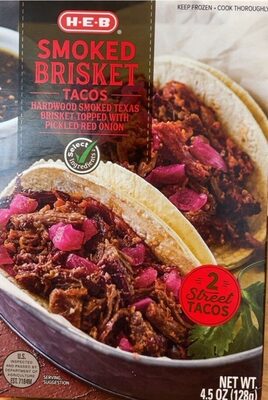 H E Butt Grocery Company
Smoked Brisket Hardwood Smoked Texas Brisket Topped With Pickled Red Onion Tacos, Smoked Brisket
195kcal
6.2Protein
7.8Fat
23.4Carbs
Rimlakes
Cuban Style Chicken Breast, Cuban Style
High in cholesterol — 20% DV per serving
103kcal
13.8Protein
2.0Fat
6.7Carbs
Snap Kitchen Investments, LLC
Chicken Chile Enchiladas, Chicken Chile
High in sodium — 56% DV per serving
High in saturated fat — 25% DV per serving
High in cholesterol — 58% DV per serving
160kcal
12.9Protein
6.4Fat
13.2Carbs
H E Butt Grocery Company
Smoked Brisket Hardwood Smoked Texas Brisket Topped With Pickled Red Onion Tacos, Smoked Brisket
195kcal
6.2Protein
7.8Fat
23.4Carbs
Rimlakes
Cuban Style Chicken Breast, Cuban Style
High in cholesterol — 20% DV per serving
103kcal
13.8Protein
2.0Fat
6.7Carbs
Snap Kitchen Investments, LLC
Chicken Chile Enchiladas, Chicken Chile
High in sodium — 56% DV per serving
High in saturated fat — 25% DV per serving
High in cholesterol — 58% DV per serving
160kcal
12.9Protein
6.4Fat
13.2Carbs
Auto-generated content. This description was generated automatically and is pending editorial review. Inaccuracies are possible. Found a mistake? Contact us.