Piri-piri Pepper
What is Piri-piri Pepper?
Piri-piri pepper is a cultivar of the chili pepper species *Capsicum frutescens*. It is native to South America but is widely grown in Africa, particularly in Mozambique and Malawi, where it is a staple ingredient. The peppers are typically dried or used fresh to add heat and flavor to dishes.
Is Piri-piri Pepper vegan?
Piri-piri Pepper is not animal-derived. Products that contain it can still include other animal-derived ingredients, so check the full ingredient list.
Is Piri-piri Pepper gluten-free?
Piri-piri pepper is not a major allergen and does not contain gluten.
What is Piri-piri Pepper used for?
Piri-piri peppers are primarily used to add spicy flavor and heat to foods.
Is Piri-piri Pepper safe?
Piri-piri peppers are a natural food ingredient and are not subject to specific FDA additive regulations.
Why it's used
Piri-piri peppers are primarily used to add spicy flavor and heat to foods. They are a key ingredient in sauces, marinades, and spice blends. You can find them in various products like hot sauces, seasoned olives, pickles, and even some alcoholic beverages.
Health notes
Piri-piri peppers are a natural food ingredient and are not subject to specific FDA additive regulations. Like other chili peppers, they contain capsaicin, the compound responsible for their heat. Consuming spicy foods can sometimes cause digestive discomfort in sensitive individuals. Regulatory bodies like EFSA and JECFA have evaluated capsaicinoids, but no specific ADI or upper limit is set for piri-piri peppers themselves.
Allergen info
Piri-piri pepper is not a major allergen and does not contain gluten.
Foods that contain Piri-piri Pepper
Compare products →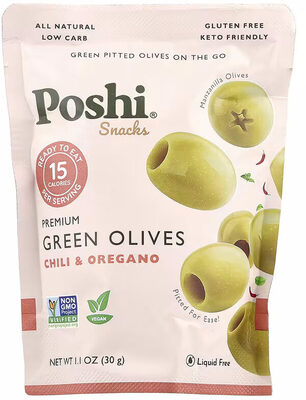 MILAS FOOD
Chili & Oregano Natural Green Pitted Olives, Chili & Oregano
133kcal
0Protein
13.3Fat
0Carbs
Bell-Carter Foods, LLC
Fiery Piri Piri Spanish Queen Olives Stuffed With Piri Piri Pepper, Fiery Piri Piri
160kcal
0Protein
16Fat
0Carbs
Dr. Harold Katz LLC
Spicy Dirty Martini Mix
0kcal
0Protein
0Fat
0Carbs
MILAS FOOD
Chili & Oregano Natural Green Pitted Olives, Chili & Oregano
133kcal
0Protein
13.3Fat
0Carbs
Bell-Carter Foods, LLC
Fiery Piri Piri Spanish Queen Olives Stuffed With Piri Piri Pepper, Fiery Piri Piri
160kcal
0Protein
16Fat
0Carbs
Dr. Harold Katz LLC
Spicy Dirty Martini Mix
0kcal
0Protein
0Fat
0Carbs
Auto-generated content. This description was generated automatically and is pending editorial review. Inaccuracies are possible. Found a mistake? Contact us.