Pot Roast Seasoning
What is Pot Roast Seasoning?
Pot roast seasoning is a blend of spices and herbs used to enhance the flavor of pot roast and other beef dishes. It typically includes salt, pepper, garlic powder, onion powder, and sometimes herbs like rosemary or thyme. The specific combination can vary widely depending on the brand or recipe.
Is Pot Roast Seasoning a major allergen?
Pot roast seasoning is not a major allergen.
What is Pot Roast Seasoning used for?
Manufacturers use pot roast seasoning to add a savory, rich flavor to meats, gravies, and sauces.
Is Pot Roast Seasoning safe?
Pot roast seasoning is generally considered safe when used as intended, as its components are common food ingredients.
Why it's used
Manufacturers use pot roast seasoning to add a savory, rich flavor to meats, gravies, and sauces. It is commonly found in packaged spice blends, marinades, and ready-to-eat meals designed to mimic the taste of slow-cooked pot roast.
Health notes
Pot roast seasoning is generally considered safe when used as intended, as its components are common food ingredients. The FDA has not set specific regulations for blends, but individual ingredients like salt and pepper are widely used. High sodium content can be a concern for some individuals, as the FDA Daily Value for sodium is 2,300 mg. Some spice blends may contain anti-caking agents or other additives, which are subject to FDA review.
Allergen info
Pot roast seasoning is not a major allergen. However, always check the ingredient list for specific blends, as some may contain or be manufactured in facilities that process allergens like wheat or soy.
Foods that contain Pot Roast Seasoning
Compare products →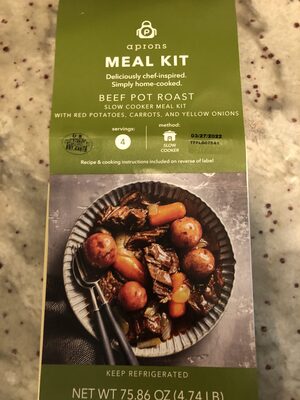 Publix Super Markets, Inc.
Beef Pot Roast Slow Cooker & Multicooker Meal Kit With Red Potatoes, Carrots, And Yellow Onions, Beef Pot Roast
High in sodium — 49% DV per serving
High in saturated fat — 70% DV per serving
High in cholesterol — 34% DV per serving
110kcal
6.0Protein
6.0Fat
7.6Carbs
Relish Labs LLC
Goat Cheese And Walnut Crusted Steak With Shallot Demi Sauce With Roasted Carrots And Pot Roast Oven Fries Meal Kits, Goat Cheese And Walnut Crusted Steak With Shallot Demi
High in sodium — 36% DV per serving
High in saturated fat — 60% DV per serving
High in cholesterol — 46% DV per serving
118kcal
7.9Protein
4.9Fat
10.9Carbs
Relish Labs LLC
Steak With Creamy Corn Risotto With Fresh Tomato Meal Kits, Steak With Creamy Corn Risotto With Fresh Tomato
High in sodium — 38% DV per serving
High in saturated fat — 50% DV per serving
High in cholesterol — 40% DV per serving
160kcal
12.1Protein
5.4Fat
15.8Carbs
Relish Labs LLC
Mini Cheeseburger Flatbreads Meal Kits - Beef Flavor Demi-Glace Concentrate, Thousand Island Dressing, Mini Naan Flatbreads, Pot Roast Seasoning, Shredded Mozzarella, Dill Pickle Slices, Baby Arugula, Ground Beef, Mini Cheeseburger
High in sodium — 77% DV per serving
High in saturated fat — 85% DV per serving
High in cholesterol — 47% DV per serving
247kcal
13.4Protein
13.4Fat
16.9Carbs
Publix Super Markets, Inc.
Beef Pot Roast Slow Cooker & Multicooker Meal Kit With Red Potatoes, Carrots, And Yellow Onions, Beef Pot Roast
High in sodium — 49% DV per serving
High in saturated fat — 70% DV per serving
High in cholesterol — 34% DV per serving
110kcal
6.0Protein
6.0Fat
7.6Carbs
Relish Labs LLC
Goat Cheese And Walnut Crusted Steak With Shallot Demi Sauce With Roasted Carrots And Pot Roast Oven Fries Meal Kits, Goat Cheese And Walnut Crusted Steak With Shallot Demi
High in sodium — 36% DV per serving
High in saturated fat — 60% DV per serving
High in cholesterol — 46% DV per serving
118kcal
7.9Protein
4.9Fat
10.9Carbs
Relish Labs LLC
Steak With Creamy Corn Risotto With Fresh Tomato Meal Kits, Steak With Creamy Corn Risotto With Fresh Tomato
High in sodium — 38% DV per serving
High in saturated fat — 50% DV per serving
High in cholesterol — 40% DV per serving
160kcal
12.1Protein
5.4Fat
15.8Carbs
Relish Labs LLC
Mini Cheeseburger Flatbreads Meal Kits - Beef Flavor Demi-Glace Concentrate, Thousand Island Dressing, Mini Naan Flatbreads, Pot Roast Seasoning, Shredded Mozzarella, Dill Pickle Slices, Baby Arugula, Ground Beef, Mini Cheeseburger
High in sodium — 77% DV per serving
High in saturated fat — 85% DV per serving
High in cholesterol — 47% DV per serving
247kcal
13.4Protein
13.4Fat
16.9Carbs
Learn more
Auto-generated content. This description was generated automatically and is pending editorial review. Inaccuracies are possible. Found a mistake? Contact us.